Loading...
Neutrality Commitment|
This project does not aim to criticize or defend any specific historical narrative or nation. We objectively present differences in textbook and official descriptions to encourage multi-faceted understanding.
ArchiveLIVE / ONGOINGTerritorial disputes, sovereignty & security1895–PresentTaiwan, the Taiwan Strait and mainland China
The Taiwan Strait Question (Taiwan–China Dispute: From History to the Present)
Perspectives Summary
Share this comparison:
Related Photos2
Related Events
Other events in the archive connected to this one.
- Taiwan UN Membership & Resolution 2758UN General Assembly Resolution 2758 (1971) and the diplomatic battleground over China's UN representation.
- Senkaku / Diaoyu Islands DisputeThe East China Sea territorial dispute, geopolitically linked to Taiwan contingencies and Nansei Islands defense.
- Disputed Sovereignty over China's Frontier Regions (Tibet, Xinjiang, Inner Mongolia, Manchuria)China's claims of “core interests” and territorial integrity compared with debates on self-determination and governance.
- "Universal Values" vs. "Non-Interference": Western-Style Democracy and Alternative Models of GovernanceThe clash between universal values (democracy, self-determination) and the One-China principle and non-interference.
United States of AmericaTerritorial disputes, sovereignty & security1895–PresentTaiwan, the Taiwan Strait and mainland China
“Strategic Ambiguity” and the Taiwan Relations Act — The Ambiguous Defence Pledge
Source:US Department of State, Taiwan Relations Act (1979), the three US–PRC joint communiqués and the Six Assurances
Source Nature:
Official / Public MaterialOriginal Language
The United States established diplomatic relations with the People’s Republic of China and severed ties with Taiwan (the ROC) in 1979. In the same year it enacted the Taiwan Relations Act, which provides for the sale of defensive arms to Taiwan and states that the US regards any use of force against Taiwan with “grave concern”. The Act does not oblige the US military to defend Taiwan, which is the basis of so-called “strategic ambiguity”.
The US “one China policy” is distinct from Beijing’s “one China principle”. In the three joint communiqués (1972, 1979, 1982) the US “acknowledges” China’s position that Taiwan is part of China, without endorsing or rejecting it. The “Six Assurances” given to Taipei in 1982 (including no end date for arms sales and no mediation between Taipei and Beijing) are another pillar. Washington says Taiwan’s future should be resolved peacefully, in a way acceptable to people on both sides of the Strait, and opposes unilateral changes to the status quo.
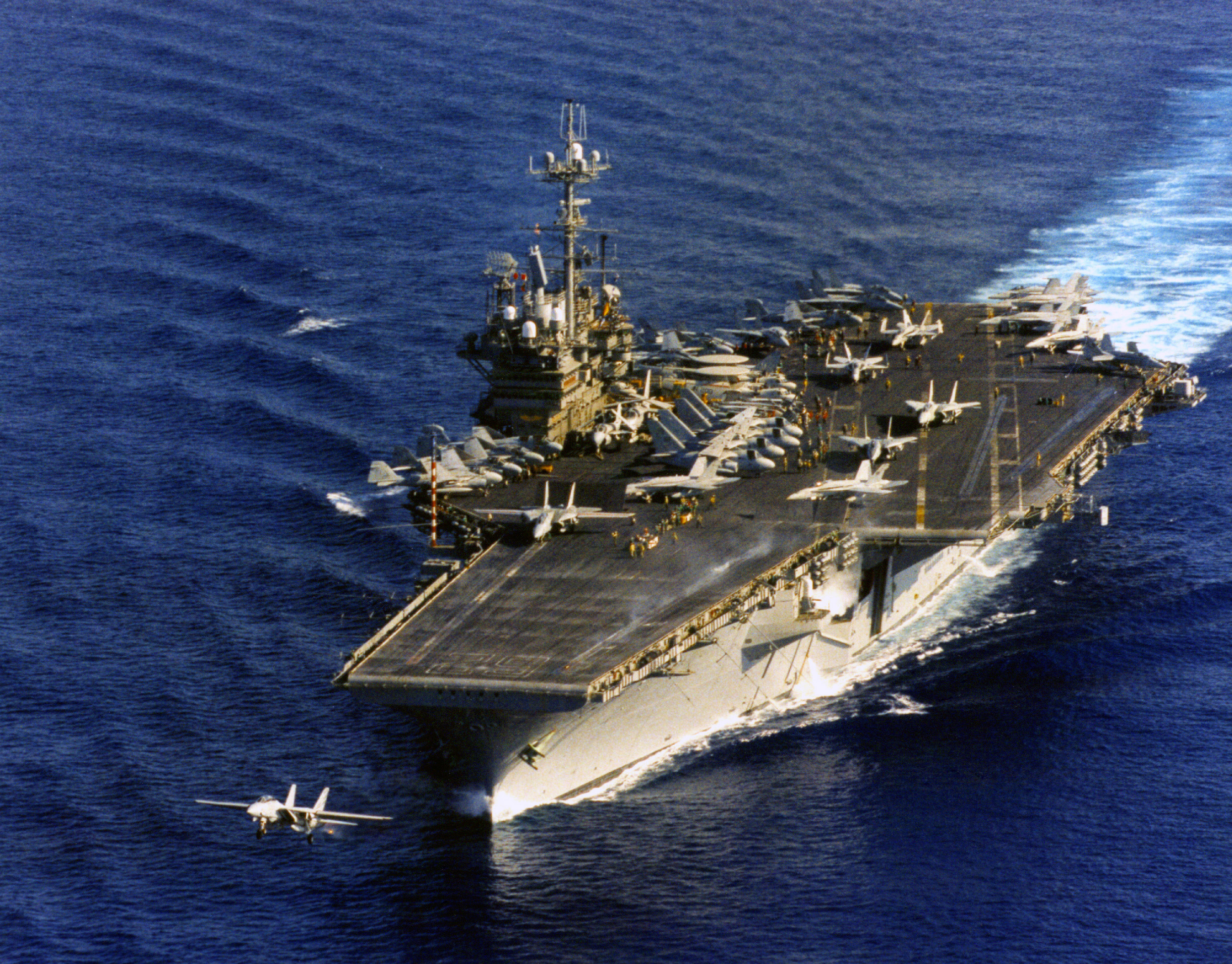
In recent years, as China’s military has grown, the US has increased arms sales and Taiwan Strait transits, and former President Biden said several times that US forces would defend Taiwan (each time followed by clarification that policy had not changed). Washington also stresses the importance of Taiwan’s semiconductor industry and sees a Taiwan contingency as the greatest risk in US–China relations. A debate continues in the US over whether to keep ambiguity or make an explicit defence commitment.
Share how United States of America & China (People’s Republic of China) textbooks differ
Spark a conversation by sharing these contrasting textbook narratives on X, Reddit, or with friends.
Interactive Verification & Exploration
Notes on this comparison
This comparison is based on general descriptions from official or widely used history textbooks in each country. While minor nuances may change in translation, the goal is to highlight differences in how major events are perceived, the order of description, and what is emphasized. In particular, notable differences in the naming of events and the background of their occurrence can be seen between "United States of America" and "China (People’s Republic of China)".