Loading...
Neutrality Commitment|
This project does not aim to criticize or defend any specific historical narrative or nation. We objectively present differences in textbook and official descriptions to encourage multi-faceted understanding.
ArchiveLIVE / ONGOINGTerritory, Ethnicity & Autonomy13th century – presentTibet, Xinjiang, Inner Mongolia, Northeast China (former Manchuria)
Disputed Sovereignty over China's Frontier Regions (Tibet, Xinjiang, Inner Mongolia, Manchuria)
Perspectives Summary
Share this comparison:
Related Photos3
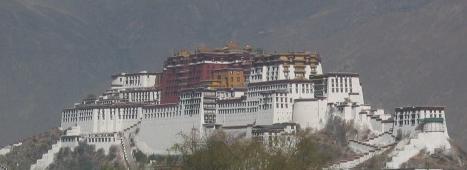
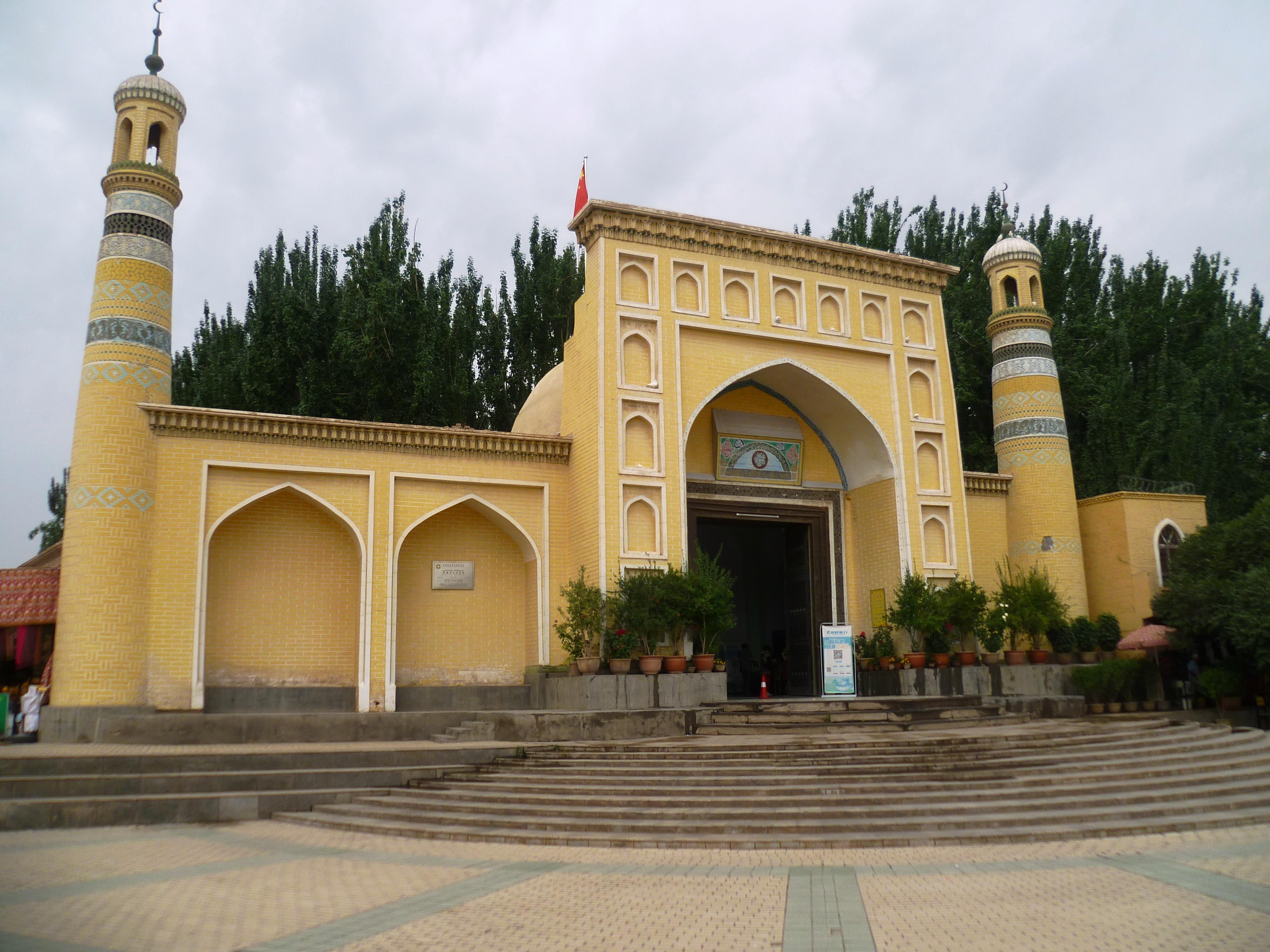
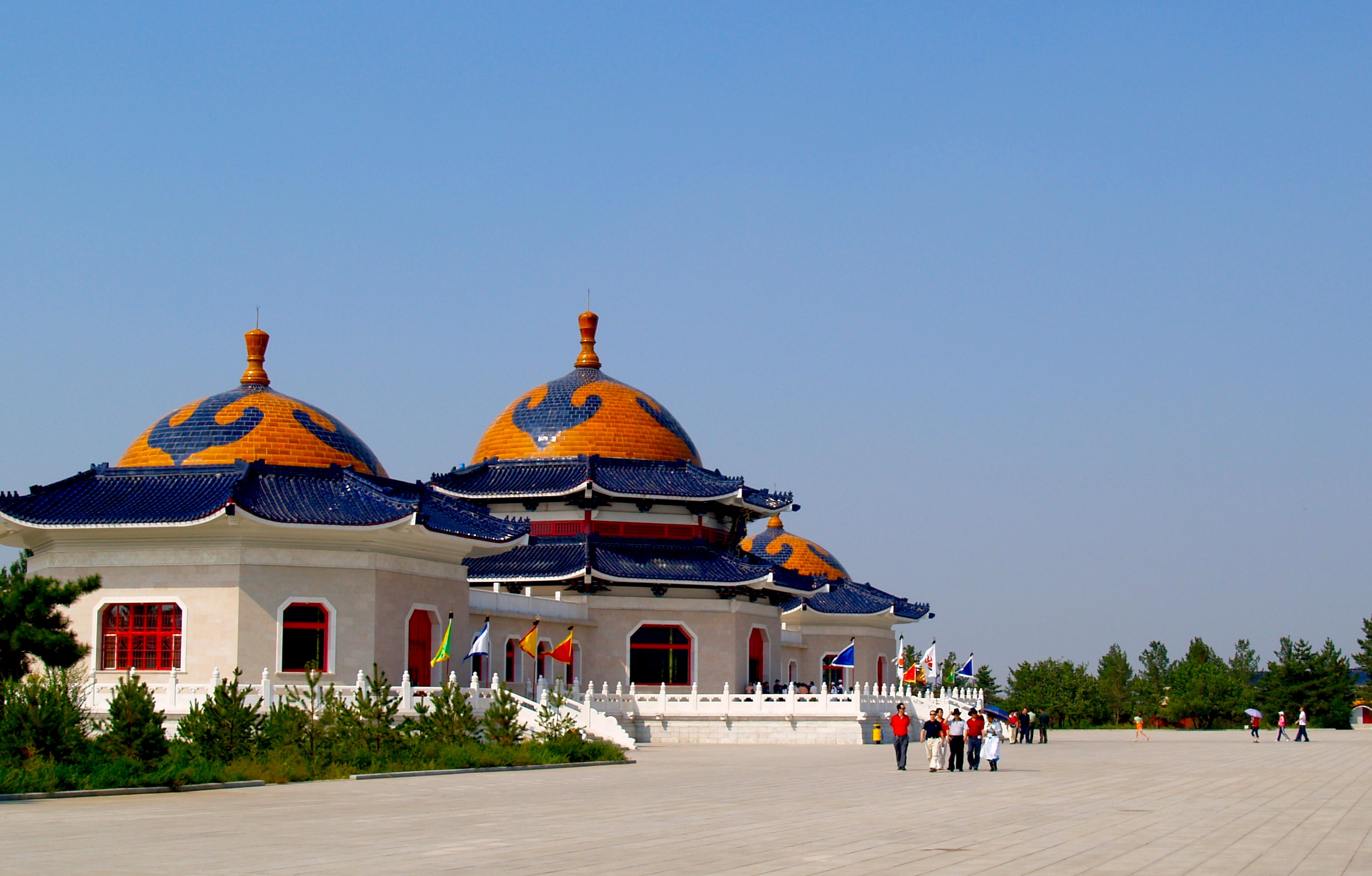
Related Events
Other events in the archive connected to this one.
- The Taiwan Strait Question (Taiwan–China Dispute: From History to the Present)The dispute over Taiwan's sovereignty and reunification, framed alongside frontier rule as China's “core interest”.
United States & International CommunityTerritory, Ethnicity & Autonomy13th century – presentTibet, Xinjiang, Inner Mongolia, Northeast China (former Manchuria)
Accepting Sovereignty While Pressing on Human Rights: The United States and the International Community
Source:U.S. State Department statements, U.S. legislation, UN OHCHR report
Source Nature:
Official Government StatementOriginal Language
Under its "One China" policy, the U.S. government formally recognizes Tibet and Xinjiang as part of the PRC and does not support independence for either. It has nonetheless sharply criticized Beijing over human rights, religion and culture. For Tibet, Congress passed the Reciprocal Access to Tibet Act (2018), the Tibetan Policy and Support Act (2020) and the Resolve Tibet Act (2024), calling for a negotiated solution.
On Xinjiang, Secretary of State Pompeo determined in January 2021 that China was committing genocide and crimes against humanity, a finding the Biden administration maintained. The Uyghur Forced Labor Prevention Act (2021) created a presumptive ban on imports from Xinjiang. Parliaments in Canada, the Netherlands and the UK adopted similar motions, though few governments have made the same determination.
The UN human rights office (OHCHR) said in August 2022 that arbitrary detention and other abuses in Xinjiang "may constitute international crimes, in particular crimes against humanity." In October 2022 the Human Rights Council rejected a motion to debate the issue by 17 to 19, with many Muslim-majority and Global South states siding with China. In UN forums, more states have often signed pro-China joint statements than critical ones.
Western states thus generally accept sovereignty but challenge conduct. No UN member state disputes the territorial status itself. Japan's government has expressed concern over conditions in Xinjiang, Tibet and Inner Mongolia without addressing territorial attribution.
Share how United States & International Community & China (Government) textbooks differ
Spark a conversation by sharing these contrasting textbook narratives on X, Reddit, or with friends.
Interactive Verification & Exploration
Notes on this comparison
This comparison is based on general descriptions from official or widely used history textbooks in each country. While minor nuances may change in translation, the goal is to highlight differences in how major events are perceived, the order of description, and what is emphasized. In particular, notable differences in the naming of events and the background of their occurrence can be seen between "United States & International Community" and "China (Government)".