Loading...
Neutrality Commitment|
This project does not aim to criticize or defend any specific historical narrative or nation. We objectively present differences in textbook and official descriptions to encourage multi-faceted understanding.
ArchiveInternational Order / Values Diplomacy / Governance Models1945–presentInternational community (UN, Geneva, various states)
"Universal Values" vs. "Non-Interference": Western-Style Democracy and Alternative Models of Governance
Perspectives Summary
Related Photos3
United StatesInternational Order / Values Diplomacy / Governance Models1945–presentInternational community (UN, Geneva, various states)
"Universal Values" vs. "Non-Interference": Western-Style Democracy and Alternative Models of Governance
Source:US foreign policy, Summit for Democracy and congressional positions
Source Nature:
Official / Public MaterialOriginal Language
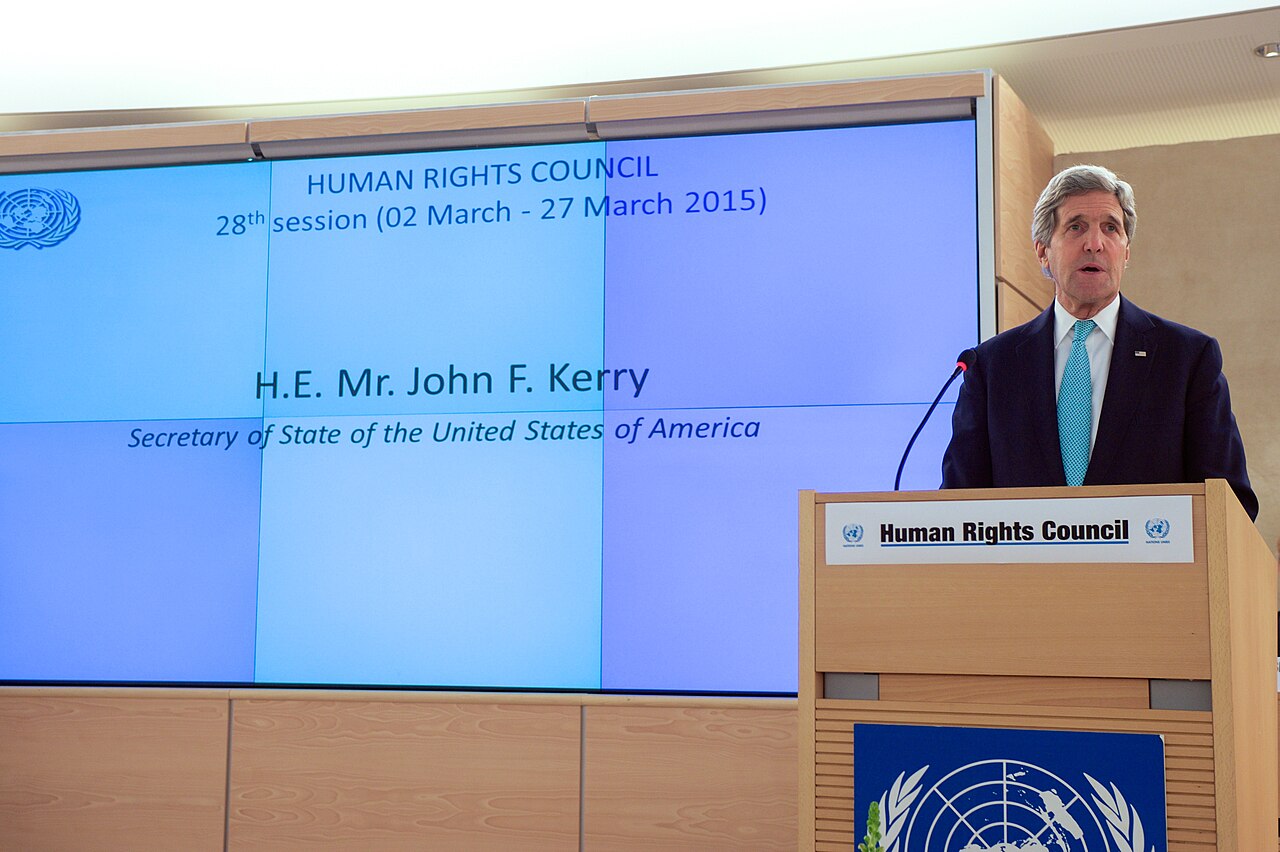
Building on the Universal Declaration of Human Rights (1948), the United States has long framed freedom of expression, fair elections, the rule of law and human rights as "universal values" and a pillar of its foreign policy. After the Cold War, democracy promotion was tied to security through the "democratic peace" idea that democracies rarely fight one another. In 2021 Washington hosted the Summit for Democracy, casting global competition as "democracy versus autocracy." Support for civil society and elections through bodies such as the National Endowment for Democracy (NED) and USAID was a concrete tool of this approach.
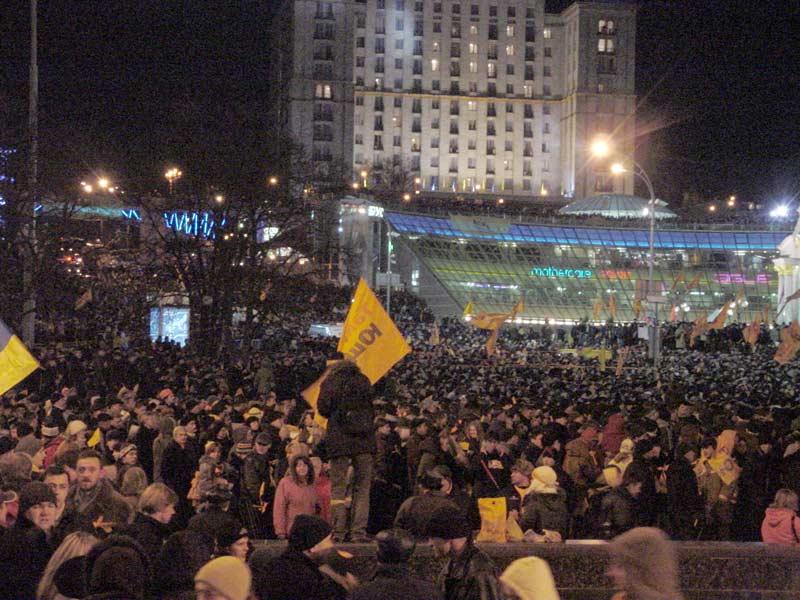
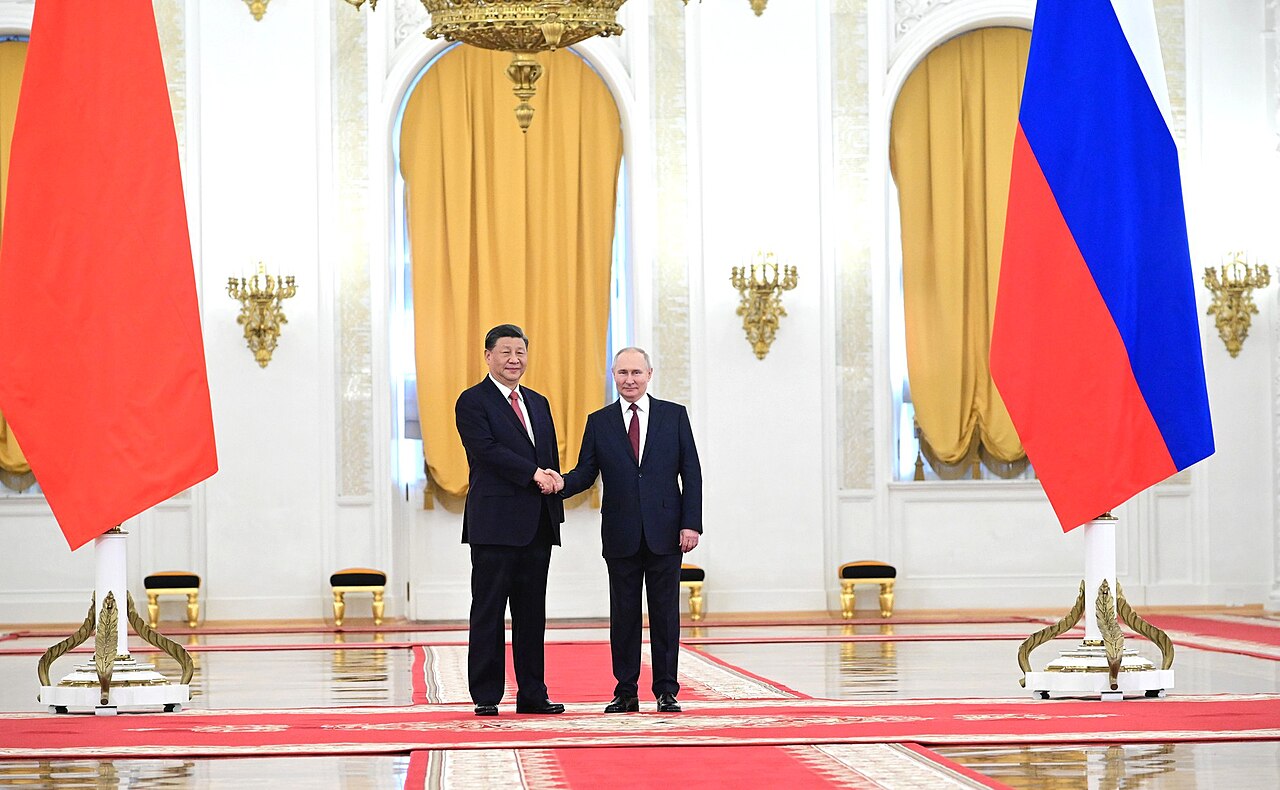
The US record draws criticism at home and abroad: the 2003 Iraq War, partly justified in terms of democratization, produced chaos; allies with poor rights records are often treated leniently, which critics call a double standard; and from 2025 the Trump administration sharply cut USAID and scaled back democracy and human rights assistance. China and Russia describe US democracy aid as a vehicle for "color revolutions." Washington replies that such support helps citizens exercise their own choices and is not regime-change engineering.
Interactive Verification & Exploration
Notes on this comparison
This comparison is based on general descriptions from official or widely used history textbooks in each country. While minor nuances may change in translation, the goal is to highlight differences in how major events are perceived, the order of description, and what is emphasized. In particular, notable differences in the naming of events and the background of their occurrence can be seen between "United States" and "China".