Loading...
关于中立性的声明|
本项目无意批判或辩护任何特定的历史见解或国家,旨在客观并列展示世界各国历史教科书及官方立场的记述差异。
对比档案International Order / Values Diplomacy / Governance Models1945–presentInternational community (UN, Geneva, various states)
“普遍价值”与“不干涉内政”:西方式民主与自主治理道路之争
各国观点总结
相关图片3
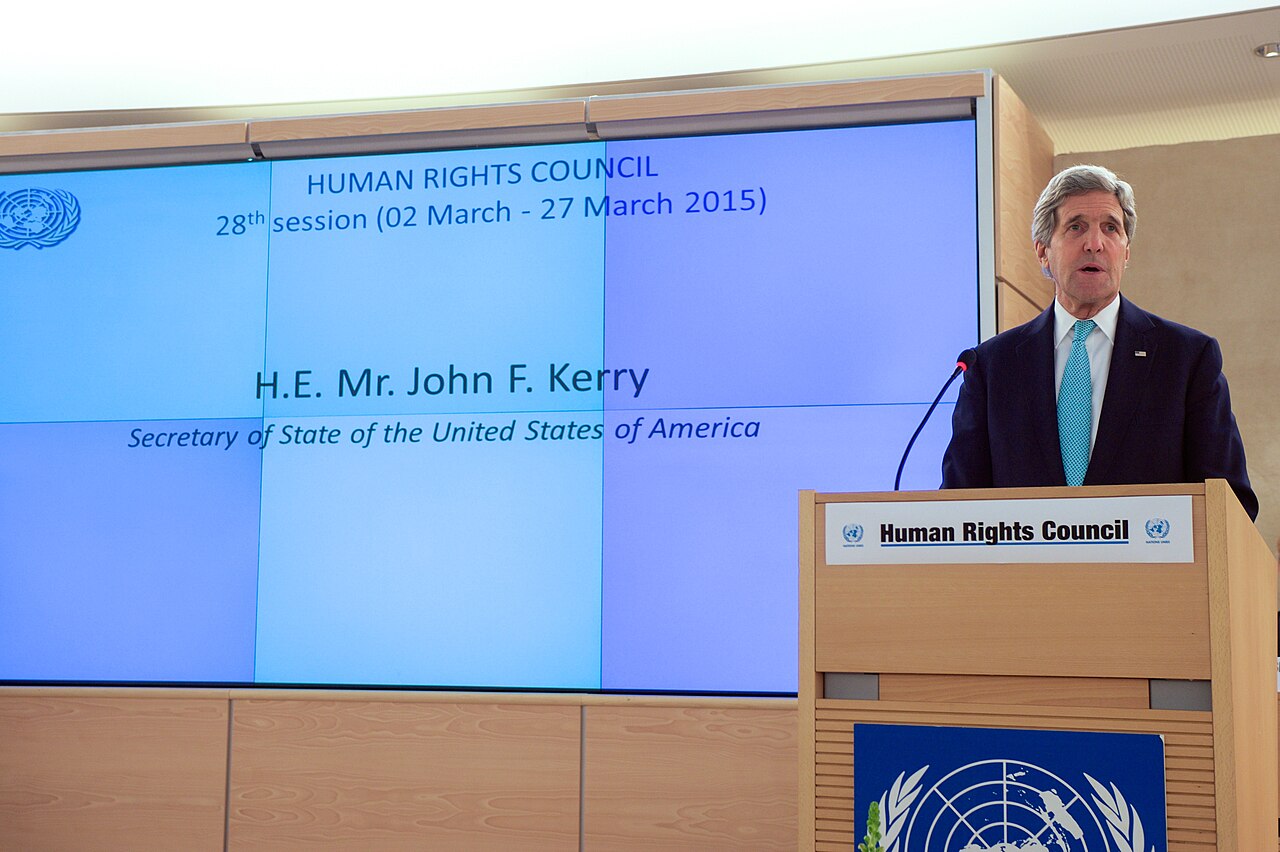
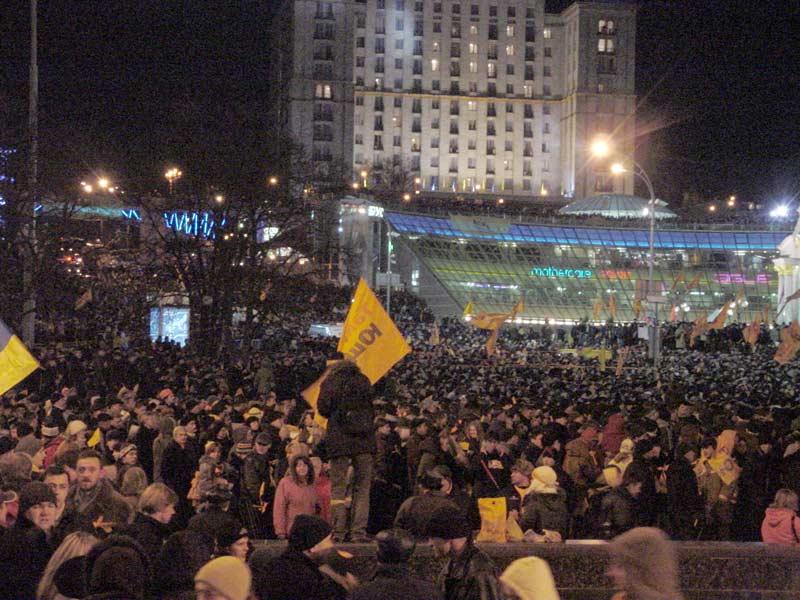
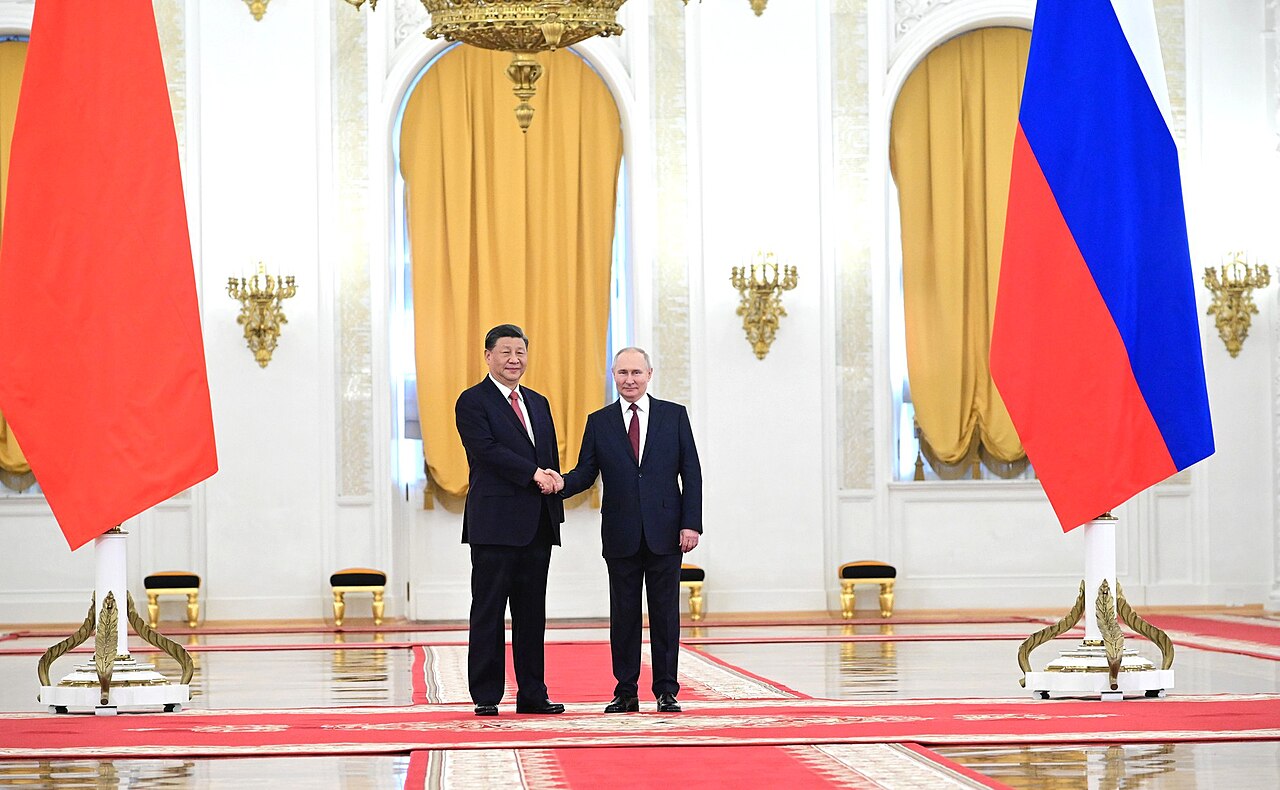
ChinaInternational Order / Values Diplomacy / Governance Models1945–presentInternational community (UN, Geneva, various states)
"Universal Values" vs. "Non-Interference": Western-Style Democracy and Alternative Models of Governance
出处:Chinese government white papers and Foreign Ministry positions
出处性质:
官方资料・通用记述原文语言
China treats the Five Principles of Peaceful Coexistence (put forward by Zhou Enlai in 1954: mutual respect for sovereignty and territorial integrity, mutual non-aggression, non-interference in each other's internal affairs, equality and mutual benefit, peaceful coexistence) as the foundation of its diplomacy. On human rights it prioritizes the rights to subsistence and development, citing poverty reduction and arguing that each country has the right to choose a path suited to its history, culture and stage of development. Its 2021 white paper China: Democracy That Works presents "whole-process people's democracy" under Communist Party leadership, insisting that "there is no single model of democracy" and that democracy should not be a Western monopoly. Since 2023 the Global Civilization Initiative has likewise stressed civilizational diversity and opposed "imposing" universal values.
Beijing views US democracy assistance as a tool of regime change linked to the "color revolutions" that followed the Soviet collapse and the Arab Spring, and treats Western criticism over Hong Kong and Xinjiang as interference. Western governments and rights groups reply that restrictions on speech, press and association, and conditions in Xinjiang, Tibet and Hong Kong documented by UN bodies, show that "non-interference" can shield rights abuses.
多维验证与互动体验
关于此对比的补充说明
此对比基于各国官方或广泛使用的历史教科书的一般记述。虽然在翻译过程中微小的语境和语气可能会发生变化,但旨在突出对主要事件的理解、叙述顺序以及强调重点的差异。特别是在“China”与“European Union”之间,对事件的称呼及发生背景的解释存在着显著的差异。