Loading...
关于中立性的声明|
本项目无意批判或辩护任何特定的历史见解或国家,旨在客观并列展示世界各国历史教科书及官方立场的记述差异。
对比档案LIVE / 进行中事件Sovereignty/State Recognition/One China Principle1971-presentTaiwan, United Nations, Taiwan Strait
台湾联合国代表权与2758号决议
各国观点总结
相关图片1
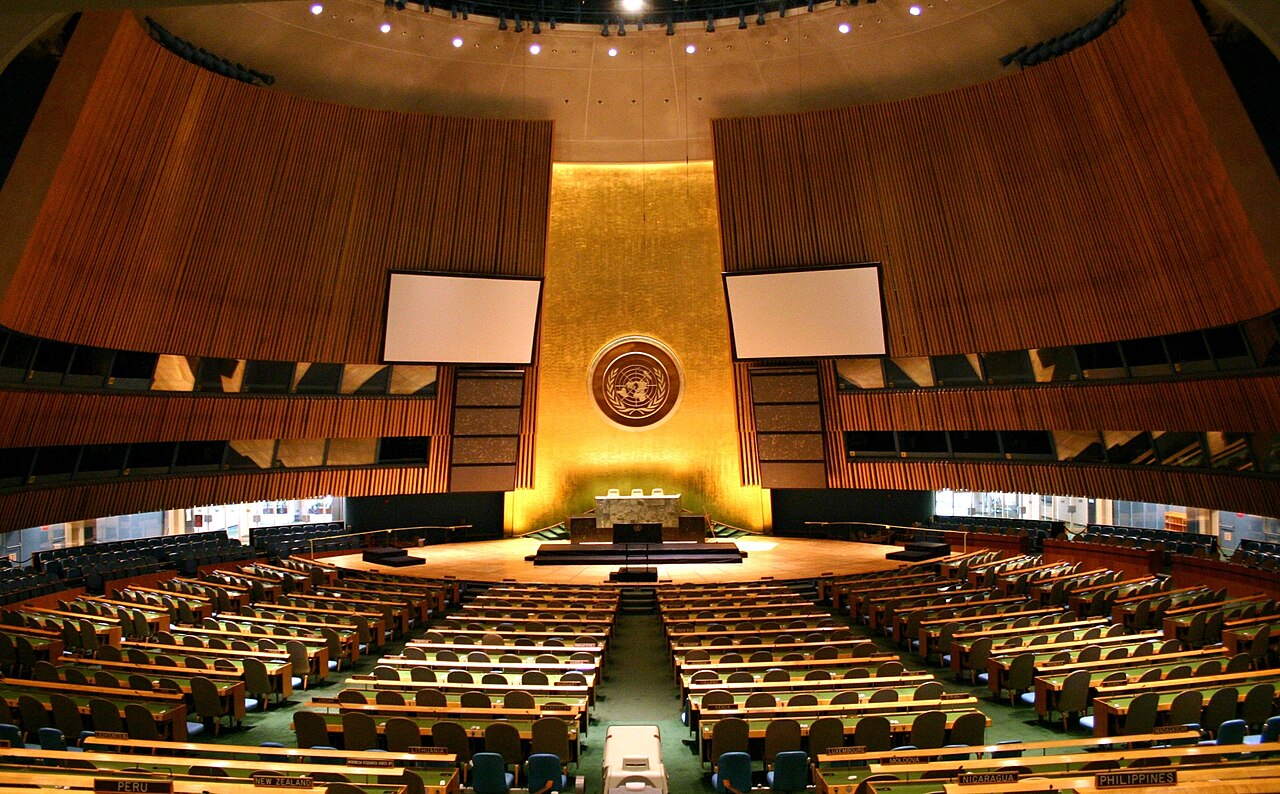
China (PRC)Sovereignty/State Recognition/One China Principle1971-presentTaiwan, United Nations, Taiwan Strait
UN Resolution 2758 and the One-China Principle
出处:PRC Ministry of Foreign Affairs, CPC Central Committee, Chinese history textbooks (PEP edition)
出处性质:
政府官方・审定教材原文语言
The official position of the People's Republic of China (PRC) is that Taiwan is an inalienable part of Chinese territory and that the Taiwan issue is an internal affair of China.
According to Chinese textbooks and government positions, UN General Assembly Resolution 2758 of 1971 was a historic decision in which the international community formally recognized this position. The resolution recognized that "the representatives of the Government of the People's Republic of China are the only lawful representatives of China to the United Nations" and expelled the representatives of the Republic of China (Taiwan) from the UN. China interprets this resolution as having established the "One China Principle" and as having confirmed under international law that Taiwan is part of China.
In China's historical education, Japan's defeat in 1945 returned Taiwan to the "motherland," and the Republic of China government that has maintained effective control over Taiwan since the end of the civil war in 1949 is not the legitimate government of China. Current moves toward "separatist independence" in Taiwan are regarded as a serious challenge to China's core interests, and the stance of "not renouncing the use of force" is enshrined in the Constitution (Anti-Secession Law). Diplomatic relations, military cooperation, or arms sales to Taiwan that do not accept the "One China" principle are subject to diplomatic protest.
多维验证与互动体验
关于此对比的补充说明
此对比基于各国官方或广泛使用的历史教科书的一般记述。虽然在翻译过程中微小的语境和语气可能会发生变化,但旨在突出对主要事件的理解、叙述顺序以及强调重点的差异。特别是在“China (PRC)”与“Taiwan (Republic of China)”之间,对事件的称呼及发生背景的解释存在着显著的差异。