Loading...
关于中立性的声明|
本项目无意批判或辩护任何特定的历史见解或国家,旨在客观并列展示世界各国历史教科书及官方立场的记述差异。
对比档案LIVE / 进行中事件War, Conflict & Occupation2021–PresentMyanmar
缅甸内战
各国观点总结
相关图片1
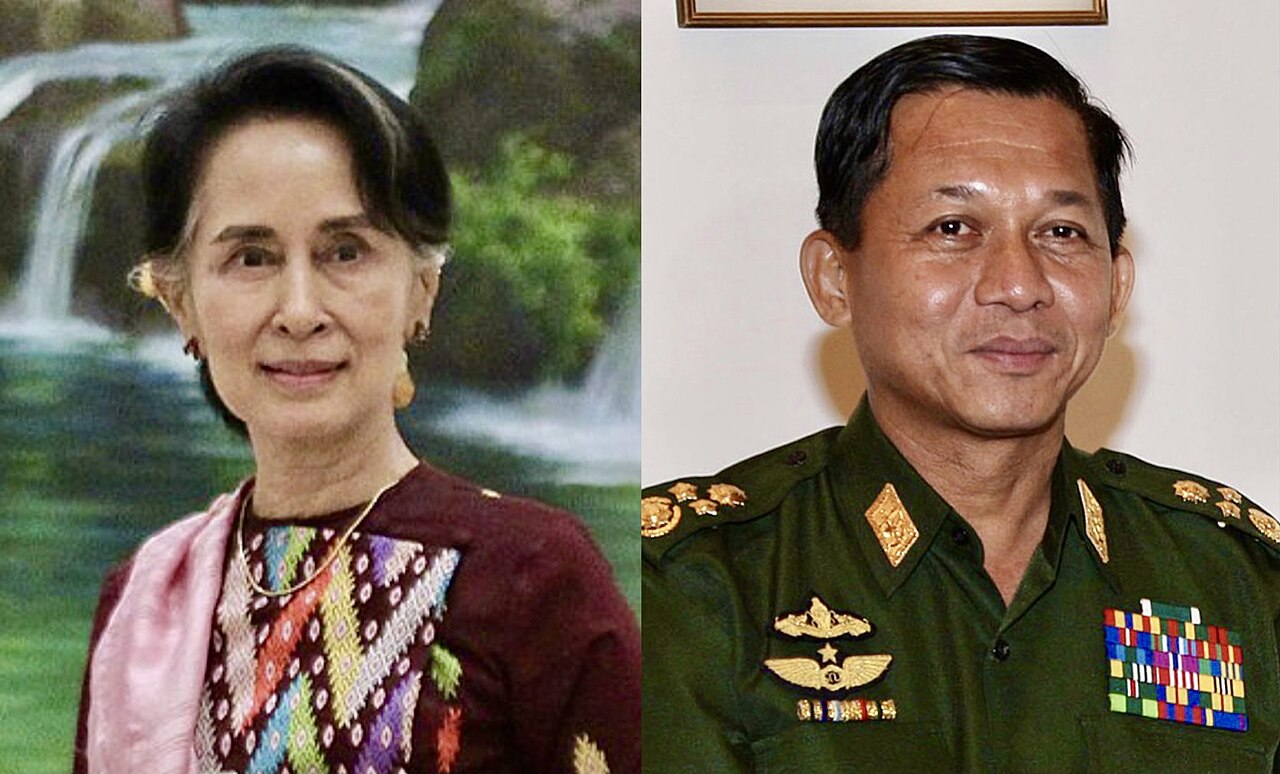
ChinaWar, Conflict & Occupation2021–PresentMyanmar
Myanmar Civil War
出处:Chinese Ministry of Foreign Affairs / Xinhua News Agency
出处性质:
政府官方立场・声明原文语言
China has markedly shifted its Myanmar policy from initial "strategic ambiguity" toward more overt support for the military junta. This pivot is driven by three core strategic interests: protecting the China-Myanmar Economic Corridor (CMEC), stabilizing the Yunnan border, and preventing Western influence from filling a potential power vacuum. A landmark moment came in November 2024 when junta leader Min Aung Hlaing visited Kunming and met with Chinese Premier Li Qiang, granting the regime a degree of diplomatic legitimacy it had long been denied.
China has also pressured ethnic armed organizations (EAOs) to halt hostilities and enter negotiations, seeking to contain the conflict's spread. Critics argue this effectively reinforces the junta's authority and delays genuine democratic progress. Beijing views Myanmar as a vital source of critical minerals—including tin and rare-earth elements—and prioritizes "managed stability" with the junta over heeding international human rights criticism. In August 2026, Min Aung Hlaing visited Moscow to meet President Putin, further deepening the Russia-China-junta alignment.
多维验证与互动体验
关于此对比的补充说明
此对比基于各国官方或广泛使用的历史教科书的一般记述。虽然在翻译过程中微小的语境和语气可能会发生变化,但旨在突出对主要事件的理解、叙述顺序以及强调重点的差异。特别是在“China”与“Japan”之间,对事件的称呼及发生背景的解释存在着显著的差异。