Loading...
关于中立性的声明|
本项目无意批判或辩护任何特定的历史见解或国家,旨在客观并列展示世界各国历史教科书及官方立场的记述差异。
对比档案Territorial Disputes & Sovereignty1415–presentNorth Africa, Mediterranean
休达、梅利利亚、直布罗陀及加那利群岛问题
各国观点总结
相关图片3
MoroccoTerritorial Disputes & Sovereignty1415–presentNorth Africa, Mediterranean
Decolonization Claims regarding Ceuta and Melilla
出处:Moroccan Government Official Position & Historical Records (General Description)
出处性质:
政府官方立场・声明经翻译
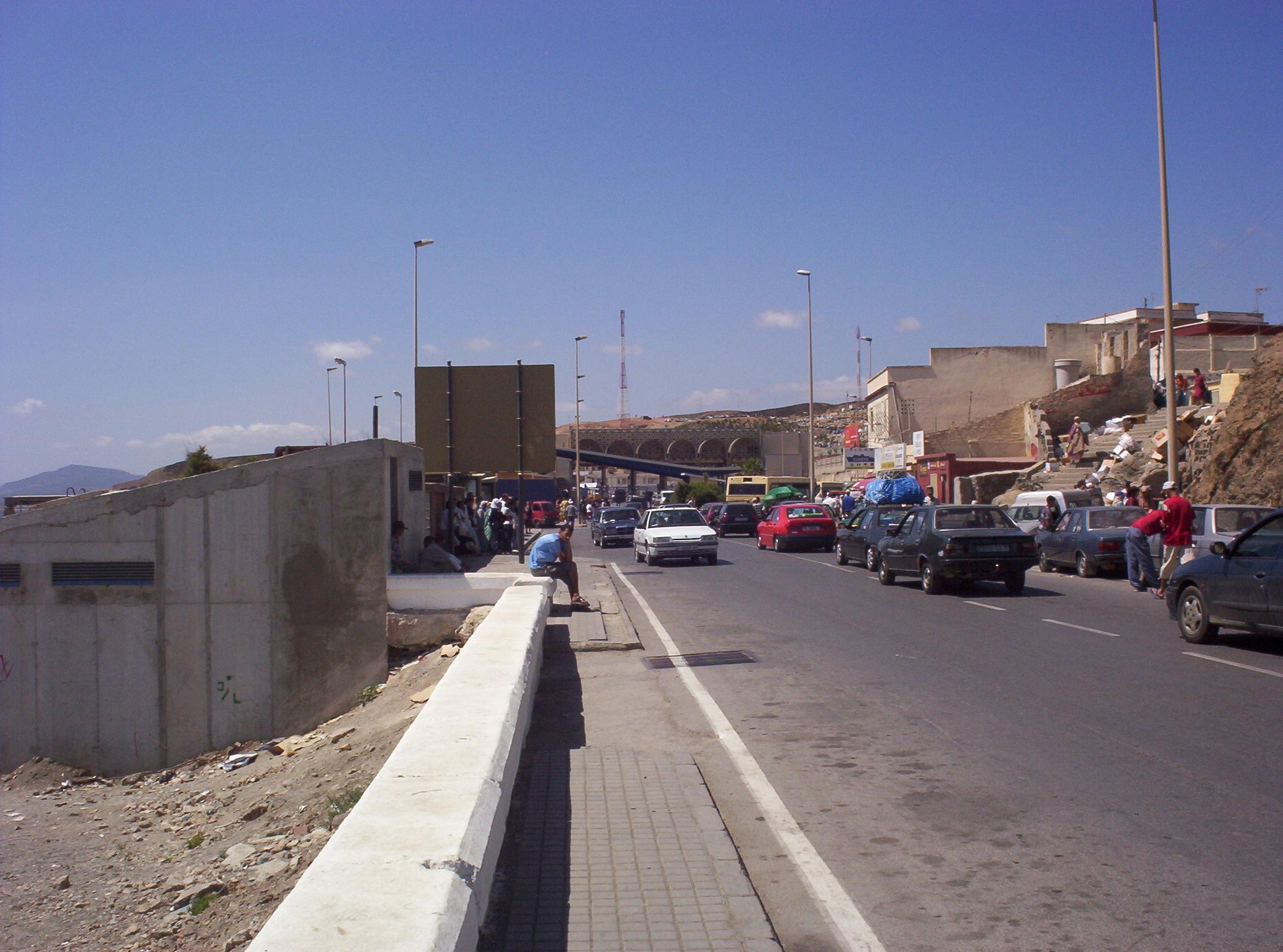
Morocco maintains that Ceuta (Sebta in Arabic) and Melilla (Mriya) are Moroccan territories where decolonization remains incomplete. In Morocco's view, when the country recovered its independence in 1956, Spain was obligated to return these cities, which had been inhabited by local populations long before colonial rule began. Morocco has consistently advanced this position in international forums—including the African Union and the Non-Aligned Movement—and has called for bilateral negotiations with Spain.
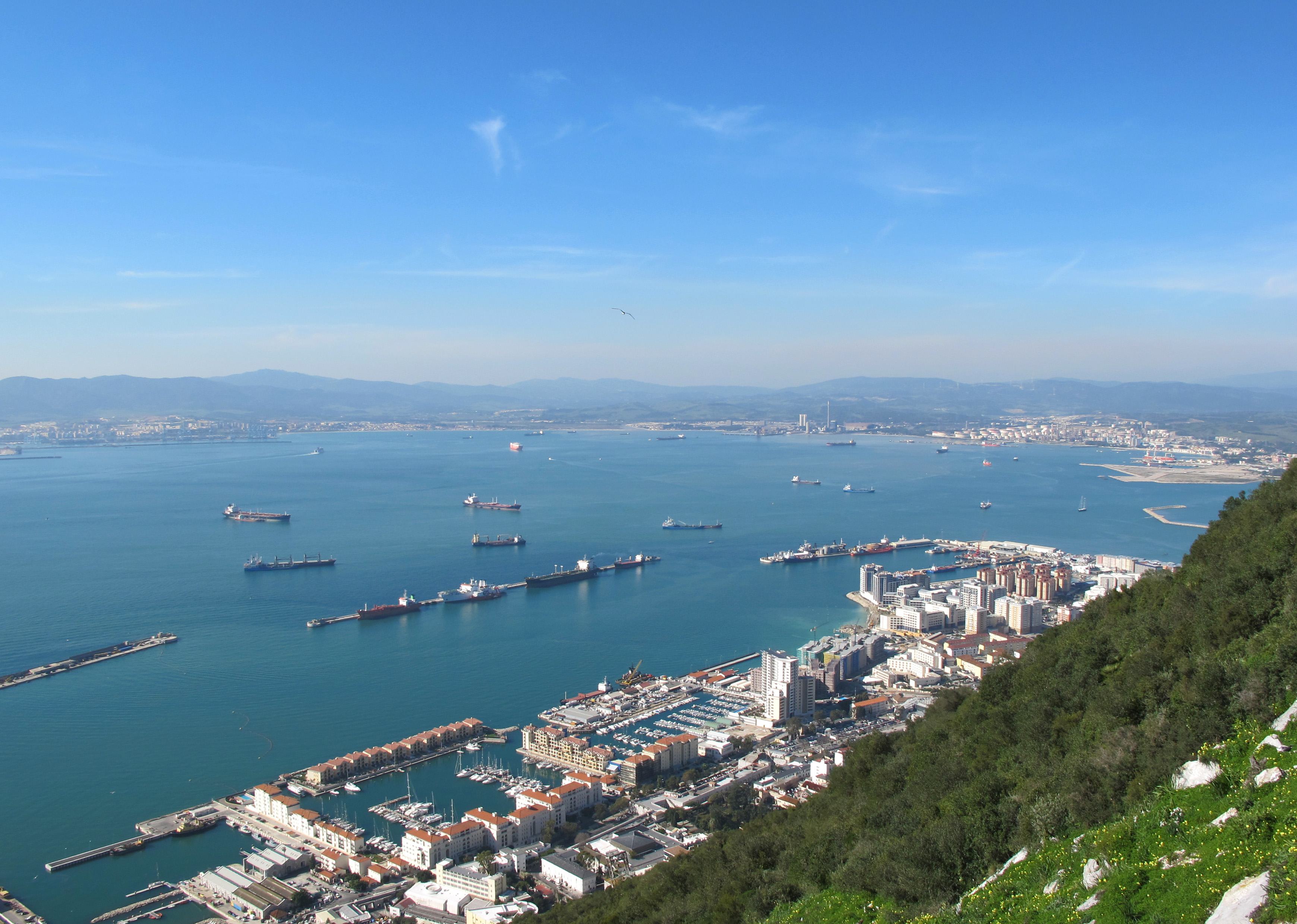
Morocco sharply criticizes what it regards as Spain's double standard: invoking "historical title" to justify its hold on North African territories while simultaneously pressing Britain for decolonization on Gibraltar. Moroccan historians argue that Spain's narrative of Ceuta and Melilla as territories with "a long Spanish history" amounts to nothing more than a legitimization of colonial occupation. Both cities form part of Morocco's geographic and cultural space, and significant Moroccan-origin populations continue to reside there.
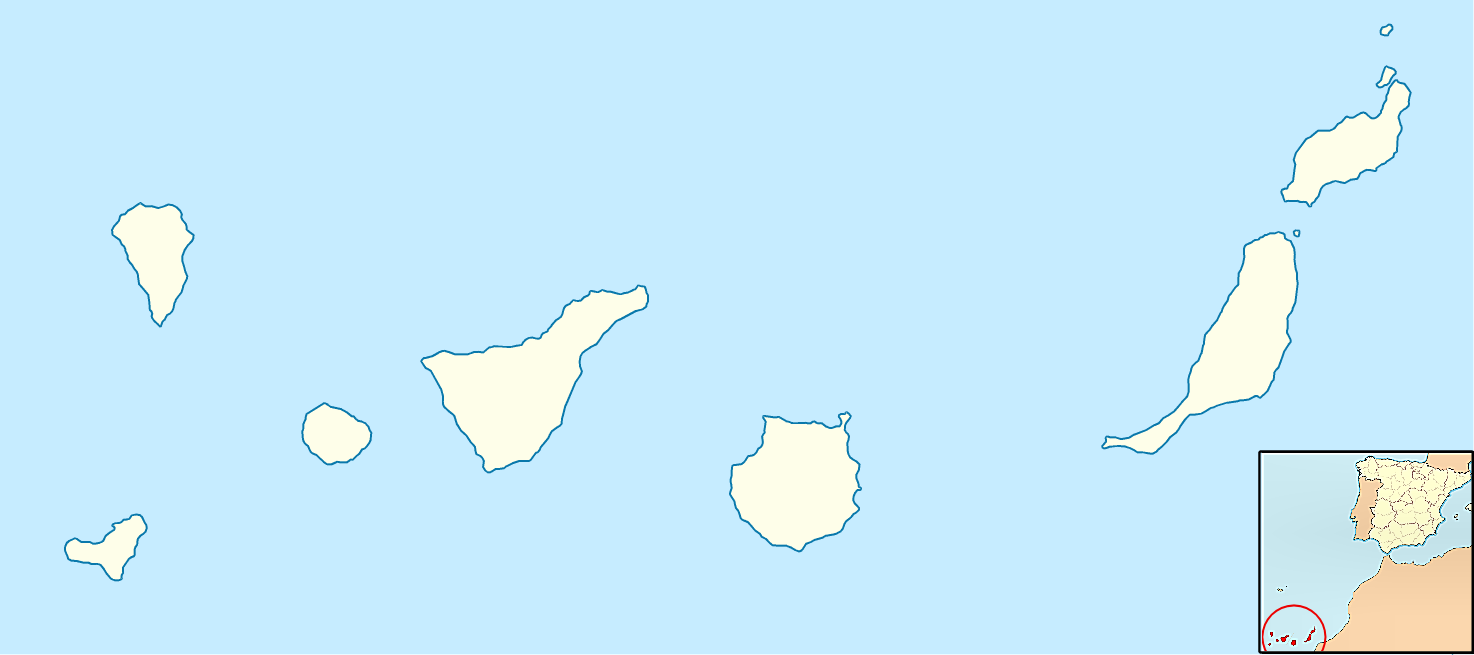
Morocco has also expressed a degree of historical interest in the Canary Islands. Drawing on historical ties between the islands and Phoenician and Berber peoples, some Moroccan scholars and politicians have argued that the Canary Islands could similarly be framed as a legacy of Spanish colonialism. However, this claim carries far less weight as an official government position compared to the Ceuta and Melilla question, and it has not become a central focus of diplomatic negotiations.
Morocco and Spain maintain close cooperation on economic matters, migration management, and fishing rights, and Morocco's general approach favors dialogue and gradual normalization over outright confrontation. A diplomatic crisis erupted in 2021 over the Western Sahara issue and became intertwined with a surge of migration into Ceuta, but bilateral relations have since moved toward improvement.
多维验证与互动体验
关于此对比的补充说明
此对比基于各国官方或广泛使用的历史教科书的一般记述。虽然在翻译过程中微小的语境和语气可能会发生变化,但旨在突出对主要事件的理解、叙述顺序以及强调重点的差异。特别是在“Morocco”与“Spain”之间,对事件的称呼及发生背景的解释存在着显著的差异。