Loading...
关于中立性的声明|
本项目无意批判或辩护任何特定的历史见解或国家,旨在客观并列展示世界各国历史教科书及官方立场的记述差异。
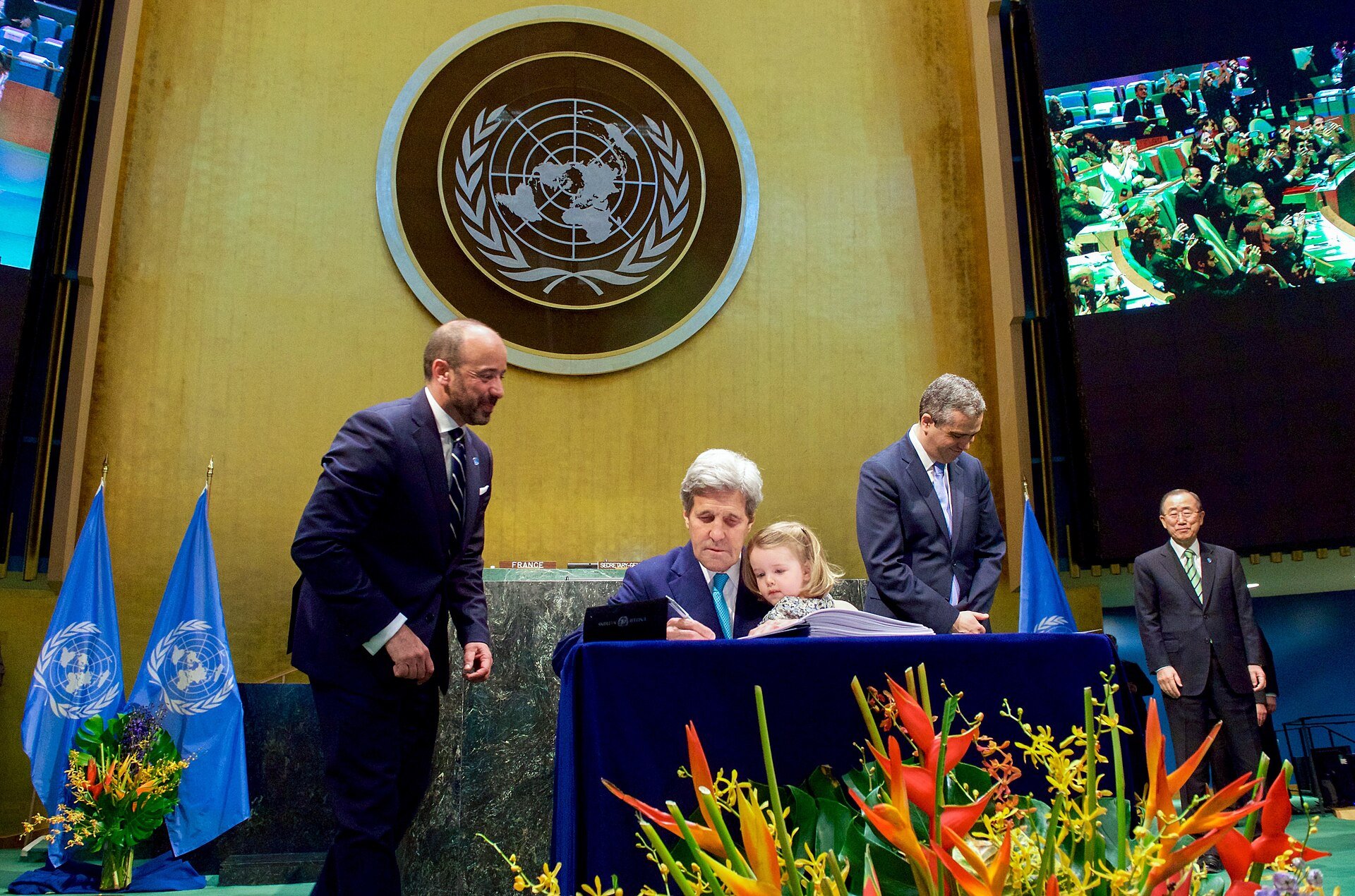
对比档案Climate Change / International Negotiations / North-South Divide1992–presentInternational community (UNFCCC, COP conferences, various states)
Climate Action and Emissions Responsibility: "Rapid Uniform Cuts" vs. "Common but Differentiated Responsibilities"
各国观点总结
相关图片2
ChinaClimate Change / International Negotiations / North-South Divide1992–presentInternational community (UNFCCC, COP conferences, various states)
Climate Action and Emissions Responsibility: "Rapid Uniform Cuts" vs. "Common but Differentiated Responsibilities"
出处:China's NDCs, climate white papers and Foreign Ministry positions
出处性质:
官方资料・通用记述原文语言
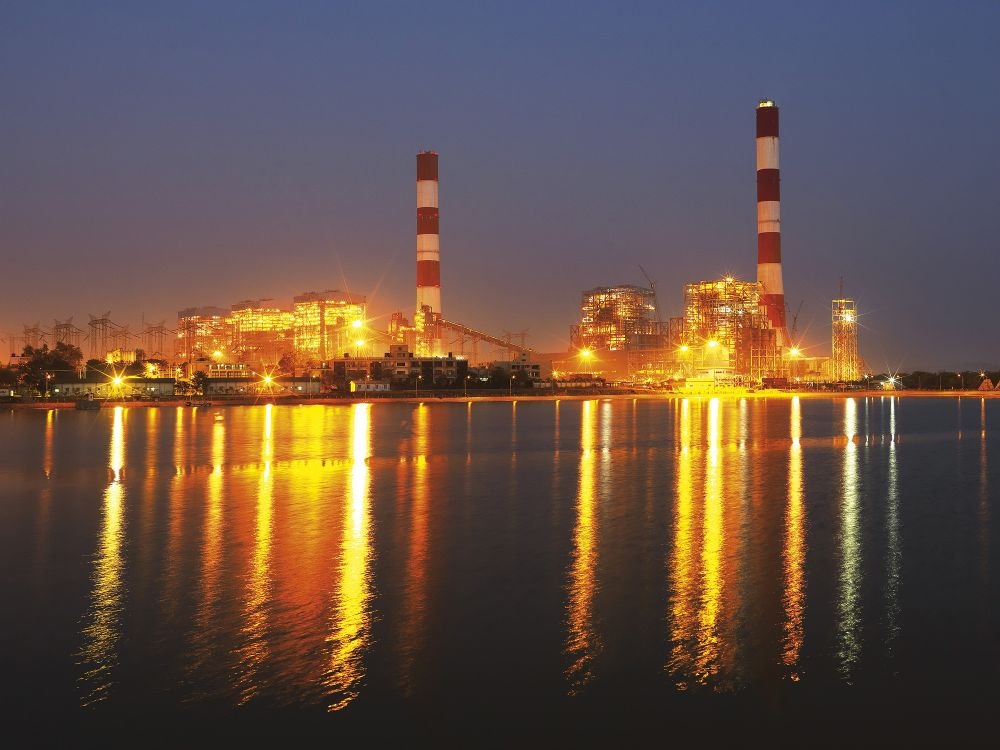
China argues that responsibility should be measured by historical cumulative emissions and per-capita emissions. It treats the UNFCCC's (1992) principle of "common but differentiated responsibilities and respective capabilities (CBDR-RC)" as the foundation of climate talks, insisting that developed countries, having industrialised first, must lead on cuts and provide finance and technology to developing countries. At the same time China pledged in 2020 to peak CO2 before 2030 and reach carbon neutrality before 2060, and in 2025 announced a target to cut net emissions 7–10% from their peak by 2035. It is the world's largest installer of renewable energy.
Yet China now emits roughly 30% of global CO2 each year, more than all developed countries combined. Western governments argue China should no longer be treated as a typical developing country and criticise continued coal plant approvals. Beijing replies that part of its emissions come from manufacturing goods for rich markets, and that its per-capita and cumulative emissions remain below America's. At COP26 (2021) it backed, with India, the last-minute softening of coal "phase-out" to "phase-down".
多维验证与互动体验
关于此对比的补充说明
此对比基于各国官方或广泛使用的历史教科书的一般记述。虽然在翻译过程中微小的语境和语气可能会发生变化,但旨在突出对主要事件的理解、叙述顺序以及强调重点的差异。特别是在“China”与“European Union”之间,对事件的称呼及发生背景的解释存在着显著的差异。