Loading...
关于中立性的声明|
本项目无意批判或辩护任何特定的历史见解或国家,旨在客观并列展示世界各国历史教科书及官方立场的记述差异。
对比档案Genocide Recognition / Historical Memory Dispute1915–presentOttoman Empire (present-day eastern Turkey, Syrian desert, etc.)
亚美尼亚大屠杀问题
各国观点总结
相关图片3
ArmeniaGenocide Recognition / Historical Memory Dispute1915–presentOttoman Empire (present-day eastern Turkey, Syrian desert, etc.)
The Armenian Genocide Question
出处:Armenian government position, textbooks and diaspora scholarship
出处性质:
民间出版・通用教材经翻译
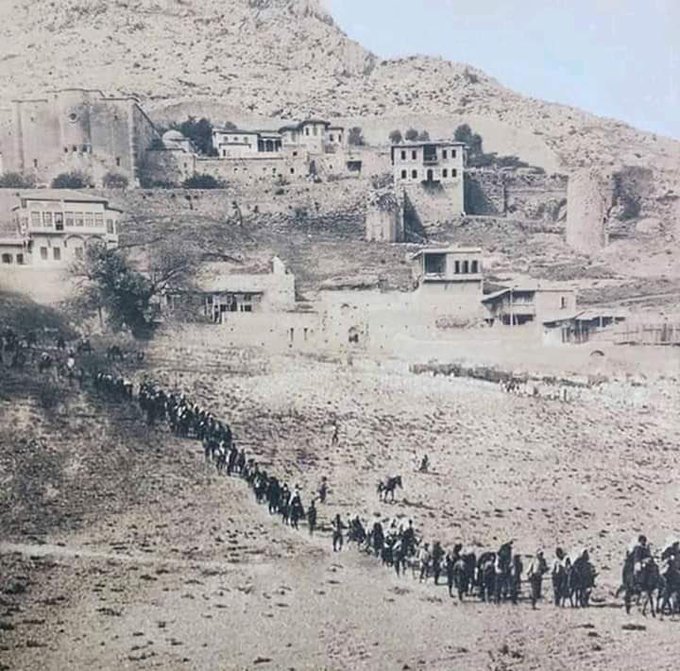
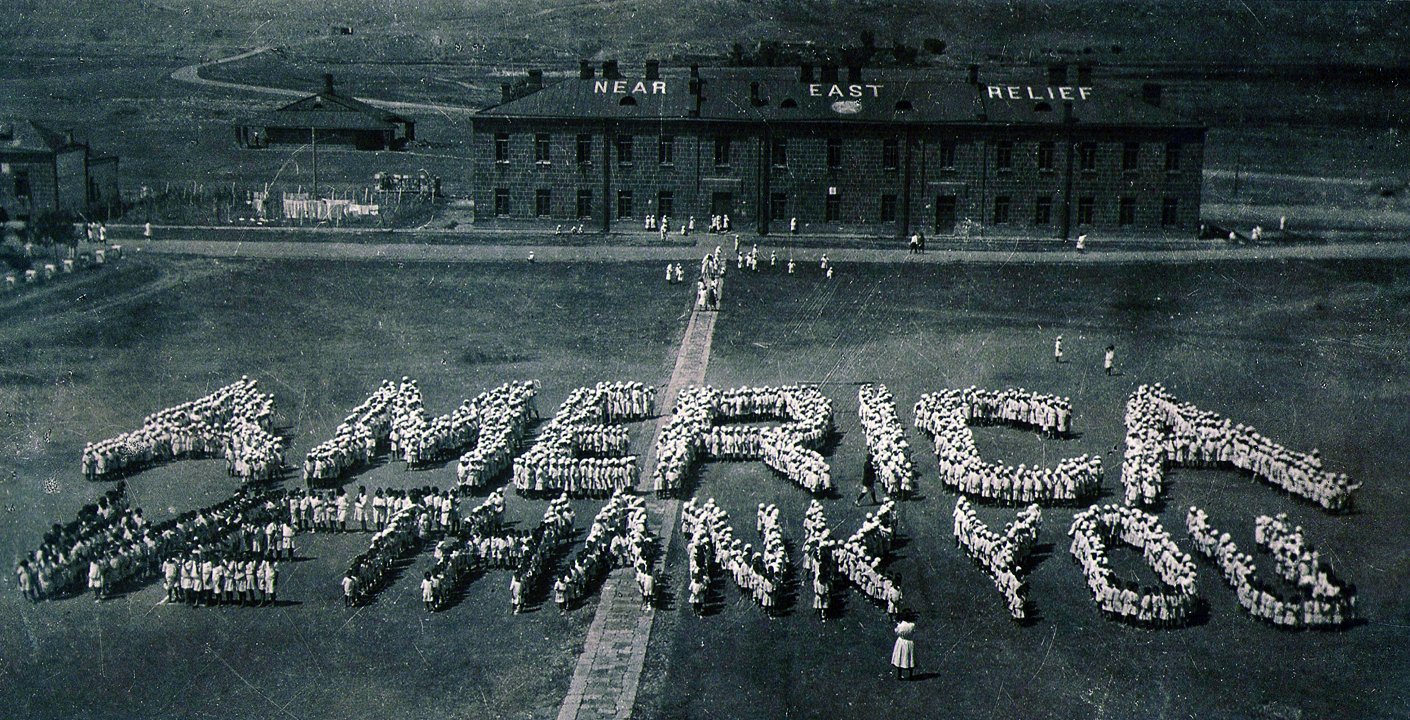
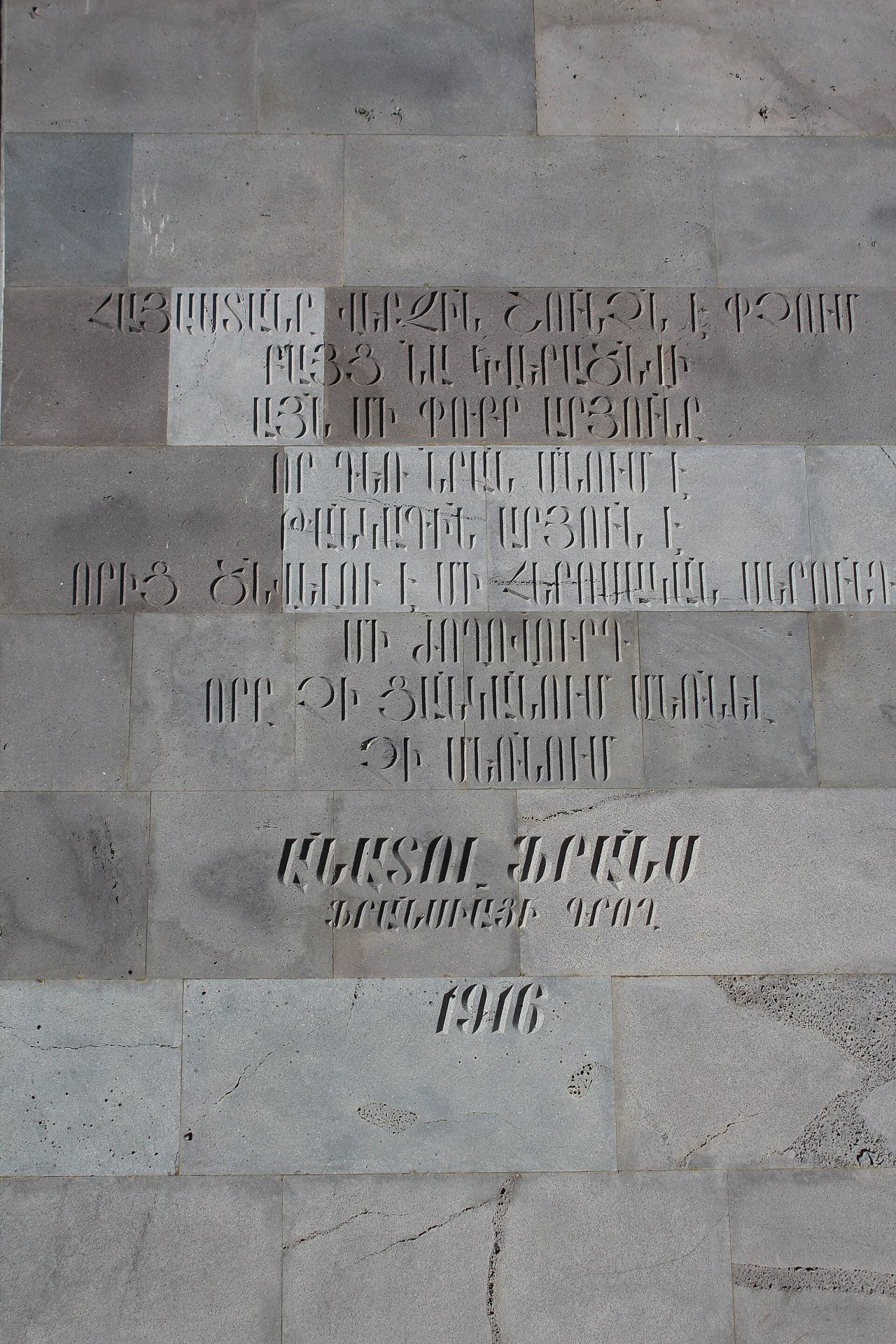
In Armenia the destruction of Ottoman Armenians between 1915 and 1923 by the Young Turk government is regarded as genocide and is a cornerstone of national memory. Armenians call it Metz Yeghern ("the Great Crime"). The starting point is 24 April 1915, when Armenian intellectuals and leaders were arrested in Constantinople, and that date is the annual day of remembrance. Men were killed, women and children were driven on death marches toward the Syrian desert (Deir ez-Zor), property was confiscated and orphans were forcibly assimilated. The death toll is put at about 1.5 million.
Armenian textbooks and officials cite the Ottoman courts-martial of 1919–20, reports by German and American diplomats, Raphael Lemkin's reference to the Armenian case when conceiving "genocide," and the 1997 resolution of the International Association of Genocide Scholars. They describe Turkish denial as a "continuation of the crime." International recognition remains a foreign-policy pillar. Yet the 2009 Zurich Protocols were never ratified, and the border has been closed since 1993. After the loss of Nagorno-Karabakh in 2023, Armenian society debates whether to pursue normalization with Turkey or to prioritize recognition demands.
多维验证与互动体验
关于此对比的补充说明
此对比基于各国官方或广泛使用的历史教科书的一般记述。虽然在翻译过程中微小的语境和语气可能会发生变化,但旨在突出对主要事件的理解、叙述顺序以及强调重点的差异。特别是在“Armenia”与“Azerbaijan”之间,对事件的称呼及发生背景的解释存在着显著的差异。