Loading...
중립성에 관한 선언|
본 프로젝트는 특정 역사관이나 국가를 비판 또는 옹호하는 것을 목적으로 하지 않으며, 세계 각국 교과서 및 공식 견해의 기술 차이를 객관적으로 병치·제시합니다.
비교 아카이브International Order / Values Diplomacy / Governance Models1945–presentInternational community (UN, Geneva, various states)
'보편적 가치' 대 '내정 불간섭': 서구식 민주주의와 독자 노선의 통치
각국의 관점 요약
관련 사진3
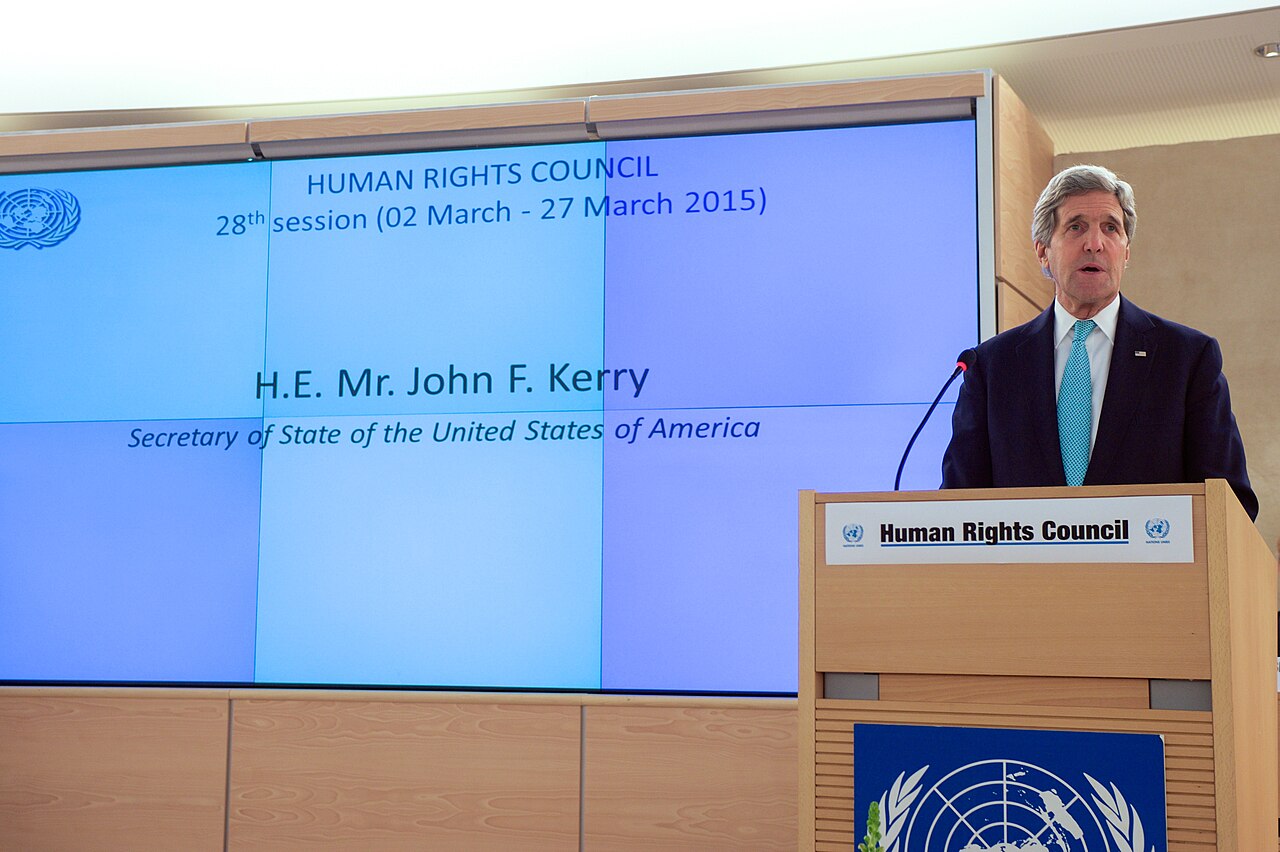
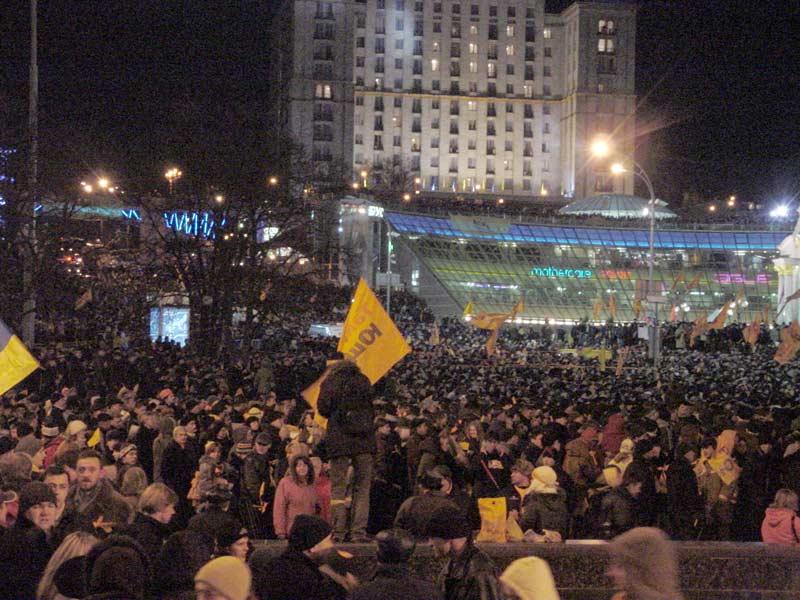
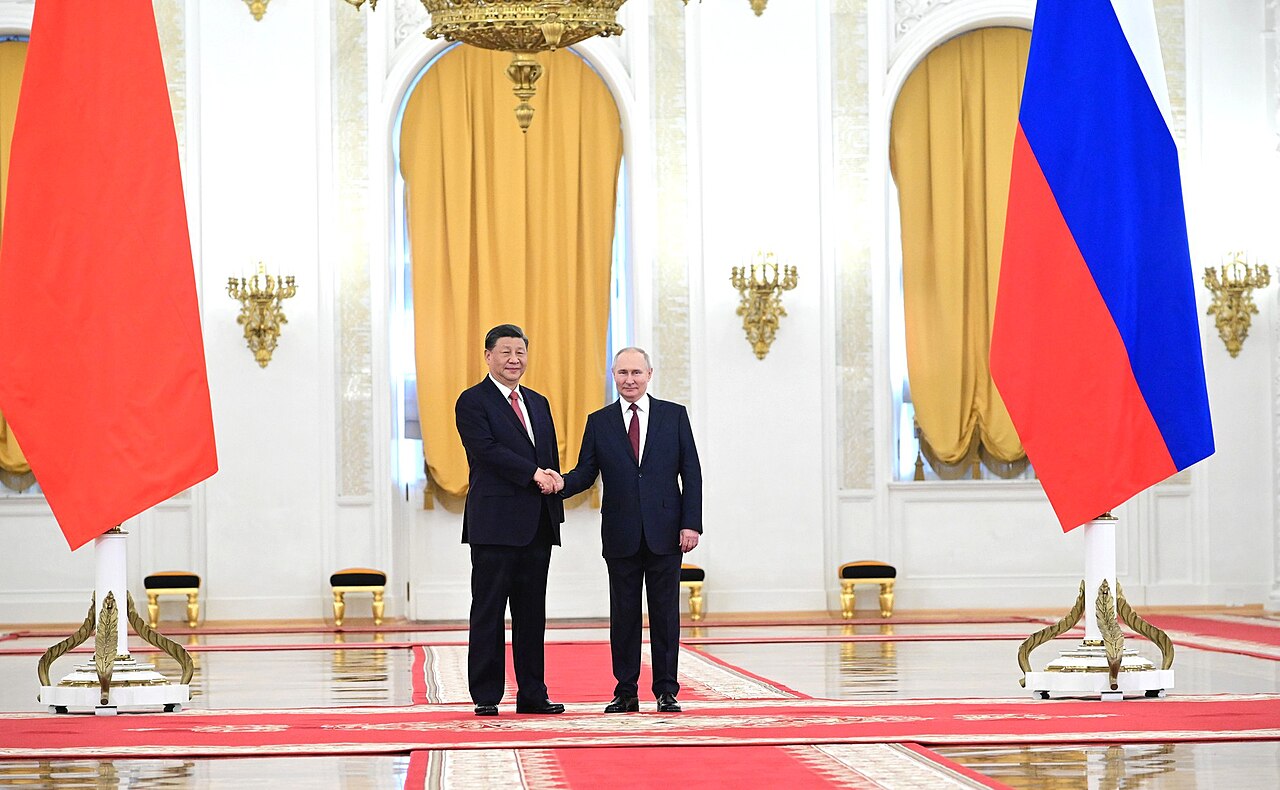
ChinaInternational Order / Values Diplomacy / Governance Models1945–presentInternational community (UN, Geneva, various states)
"Universal Values" vs. "Non-Interference": Western-Style Democracy and Alternative Models of Governance
출처:Chinese government white papers and Foreign Ministry positions
출처 성격:
공식 자료·일반 기술번역본
China treats the Five Principles of Peaceful Coexistence (put forward by Zhou Enlai in 1954: mutual respect for sovereignty and territorial integrity, mutual non-aggression, non-interference in each other's internal affairs, equality and mutual benefit, peaceful coexistence) as the foundation of its diplomacy. On human rights it prioritizes the rights to subsistence and development, citing poverty reduction and arguing that each country has the right to choose a path suited to its history, culture and stage of development. Its 2021 white paper China: Democracy That Works presents "whole-process people's democracy" under Communist Party leadership, insisting that "there is no single model of democracy" and that democracy should not be a Western monopoly. Since 2023 the Global Civilization Initiative has likewise stressed civilizational diversity and opposed "imposing" universal values.
Beijing views US democracy assistance as a tool of regime change linked to the "color revolutions" that followed the Soviet collapse and the Arab Spring, and treats Western criticism over Hong Kong and Xinjiang as interference. Western governments and rights groups reply that restrictions on speech, press and association, and conditions in Xinjiang, Tibet and Hong Kong documented by UN bodies, show that "non-interference" can shield rights abuses.
다각적 검증 및 대화형 체험
이 비교에 관한 보충 설명
이 비교는 각국의 공식 또는 널리 사용되는 역사 교과서의 일반적인 기술에 기반합니다. 번역 과정에서 미세한 뉘앙스가 변할 수 있지만, 주요 사건의 인식 방식, 기술 순서, 강조점의 차이를 드러내는 것을 목적으로 합니다. 특히 "China"와 "European Union" 사이에서는 사건의 명칭과 발생 배경에 대한 해석에 현저한 차이가 나타납니다.