Loading...
중립성에 관한 선언|
본 프로젝트는 특정 역사관이나 국가를 비판 또는 옹호하는 것을 목적으로 하지 않으며, 세계 각국 교과서 및 공식 견해의 기술 차이를 객관적으로 병치·제시합니다.
비교 아카이브Aggression/war crimes1937-1945Harbin, Northeast China
731부대
각국의 관점 요약
관련 사진2
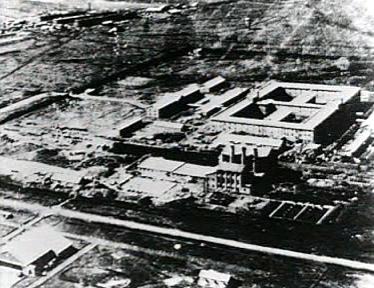
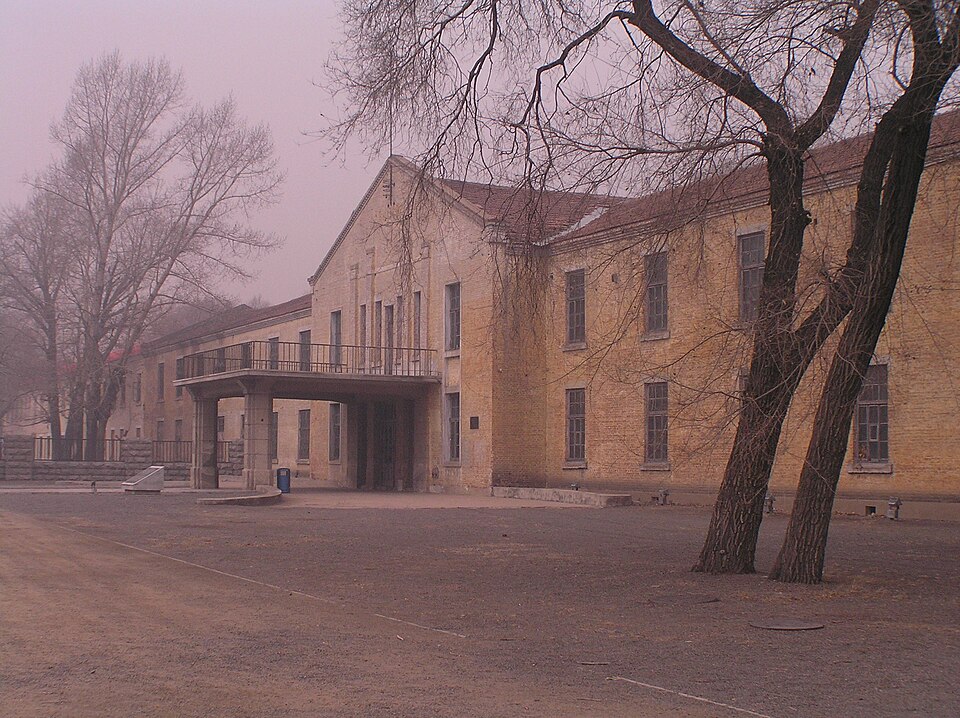
ChinaAggression/war crimes1937-1945Harbin, Northeast China
Description of the bacterial warfare and human experiments of the 731st Unit of the Japanese Invading Army
출처:Chinese history textbooks/Harbin 731 Unit Criminal Evidence Exhibition Hall materials (general description)
출처 성격:
민간 출판·표준 교과서번역본
The 731st Japanese Invasion Army was the organization that committed one of the most brutal war crimes during the Japanese imperialist invasion of China.
In Chinese textbooks and history education, Unit 731 is taught in great detail and with great importance. This unit, led by Shiro Ishii, built a huge secret research facility in Pingfang District, Harbin City, called many innocent people, including Chinese people, "Martas" (logs) and conducted biological experiments on them to develop biological weapons such as the plague bacterium, cholera bacterium, and anthrax bacterium. Atrocities such as frostbite experiments, barometric pressure experiments, and vivisection were carried out systematically, completely denying human dignity.
The number of victims was estimated at more than 3,000, including not only Chinese, but also Russians, Koreans, and Mongolians. In addition, Unit 731 used bacteriological weapons in various parts of China, carrying out bacteriological warfare in Ningbo and Changde, Zhejiang Province, distributing plague bacteria. As a result, hundreds of thousands of Chinese civilians are said to have lost their lives to the epidemic. After the war, the fact that the United States exempted those involved in Unit 731 in exchange for experimental data has been strongly criticized as a historical stain that shows that justice was not fully served. Harbin's ``Japanese Invasion Army 731st Guild Evidence Exhibition Hall'' is an important educational facility that conveys this history to future generations.
다각적 검증 및 대화형 체험
이 비교에 관한 보충 설명
이 비교는 각국의 공식 또는 널리 사용되는 역사 교과서의 일반적인 기술에 기반합니다. 번역 과정에서 미세한 뉘앙스가 변할 수 있지만, 주요 사건의 인식 방식, 기술 순서, 강조점의 차이를 드러내는 것을 목적으로 합니다. 특히 "China"와 "Japan" 사이에서는 사건의 명칭과 발생 배경에 대한 해석에 현저한 차이가 나타납니다.