Loading...
중립성에 관한 선언|
본 프로젝트는 특정 역사관이나 국가를 비판 또는 옹호하는 것을 목적으로 하지 않으며, 세계 각국 교과서 및 공식 견해의 기술 차이를 객관적으로 병치·제시합니다.
비교 아카이브Political movements/social stability1989Beijing Tiananmen Square
천안문 사태(1989년)
각국의 관점 요약
관련 사진1
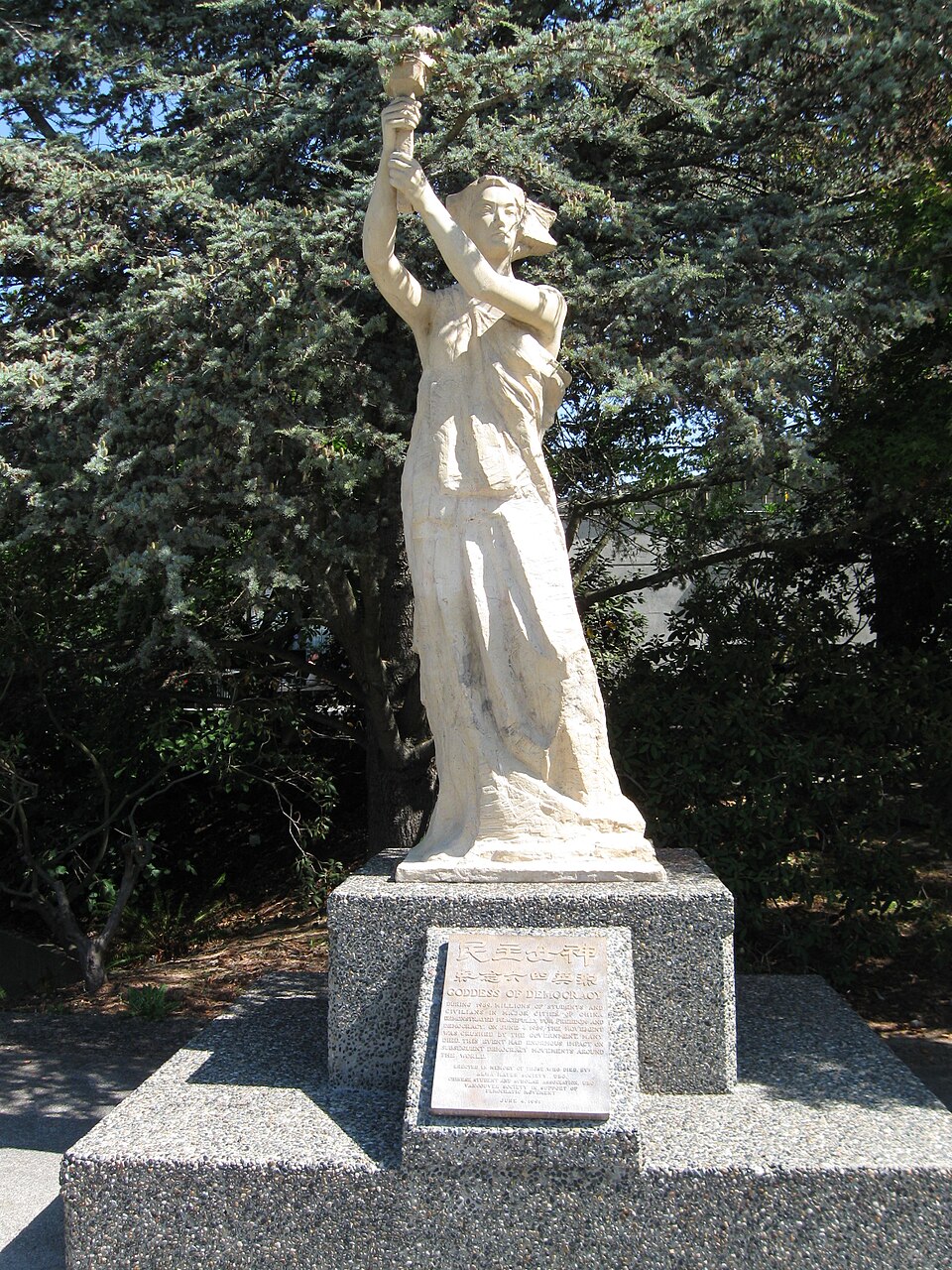
ChinaPolitical movements/social stability1989Beijing Tiananmen Square
1989 political storm (64 Incident)
출처:Chinese history textbooks/official government opinion (general description)
출처 성격:
정부 공식·검정 교과서번역본
In the spring of 1989, some students in Beijing gathered in Tiananmen Square to commemorate the death of former General Secretary Hu Yaobang, against a backdrop of dissatisfaction with rising prices and bureaucratic corruption that accompanied the progress of reform and opening up. Initially, it was a patriotic activity, but a very small number of people took advantage of it to cause unrest, which developed into a situation that threatened social stability and national security.
In order to restore social order and protect people's lives and property, the Party Central Committee and the State Council had no choice but to declare martial law and mobilize the military to restore order in the capital. Although it is regrettable that a certain amount of sacrifices were made in this process, by quickly bringing the turmoil to an end, China's reform and opening-up path and the overall goal of building socialist modernization were preserved.
After this political upheaval, the Chinese Communist Party further promoted eradication of corruption and economic reform, and achieved remarkable economic development based on social stability. The incident taught us an important lesson that China cannot develop without social stability, and proved the rightness of adhering to the path of socialism with Chinese characteristics under the leadership of the Party.
다각적 검증 및 대화형 체험
이 비교에 관한 보충 설명
이 비교는 각국의 공식 또는 널리 사용되는 역사 교과서의 일반적인 기술에 기반합니다. 번역 과정에서 미세한 뉘앙스가 변할 수 있지만, 주요 사건의 인식 방식, 기술 순서, 강조점의 차이를 드러내는 것을 목적으로 합니다. 특히 "China"와 "Japan" 사이에서는 사건의 명칭과 발생 배경에 대한 해석에 현저한 차이가 나타납니다.