Loading...
중립성에 관한 선언|
본 프로젝트는 특정 역사관이나 국가를 비판 또는 옹호하는 것을 목적으로 하지 않으며, 세계 각국 교과서 및 공식 견해의 기술 차이를 객관적으로 병치·제시합니다.
비교 아카이브LIVE / 진행 중인 사건War, Conflict & Occupation2023–PresentSudan
수단 내전
각국의 관점 요약
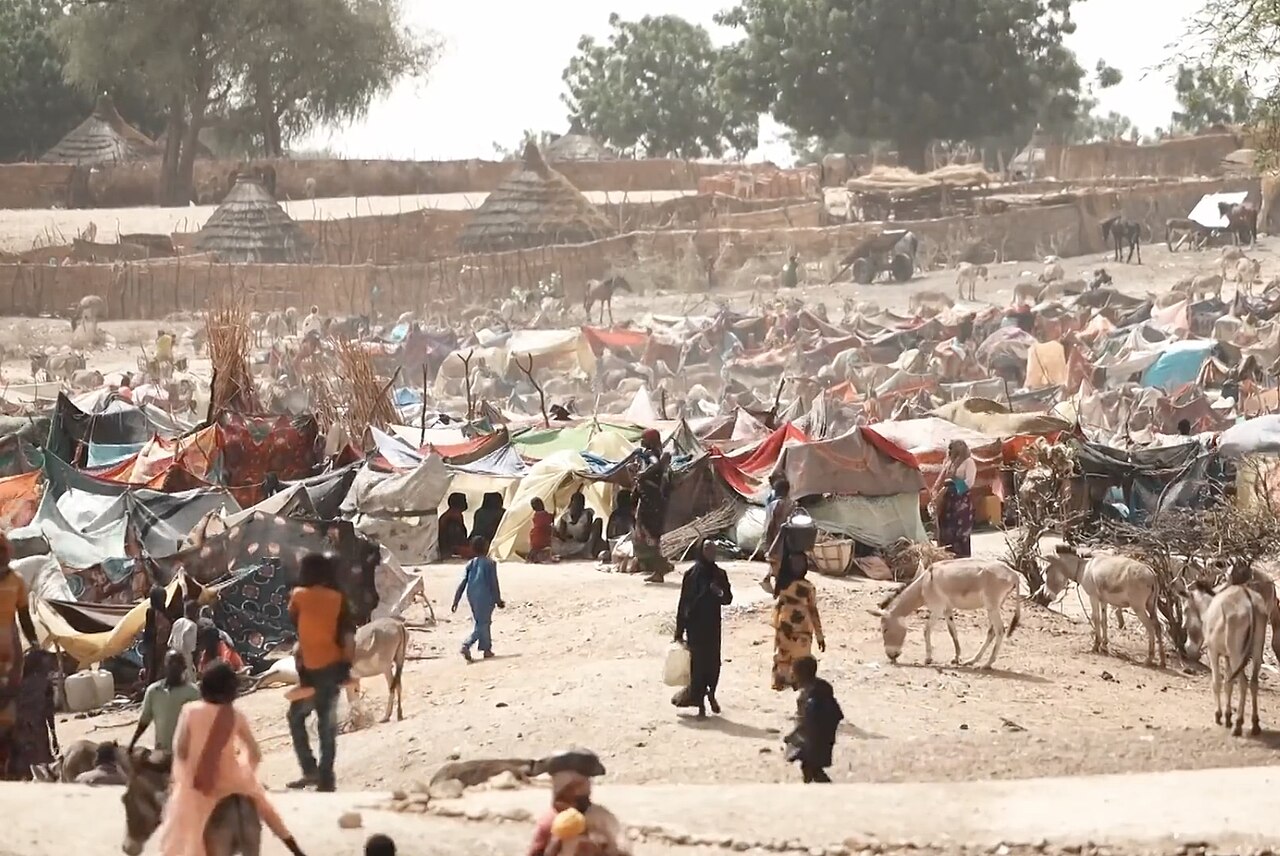
관련 사진1
ChinaWar, Conflict & Occupation2023–PresentSudan
Sudan Civil War
출처:Chinese Ministry of Foreign Affairs / Xinhua News Agency
출처 성격:
정부 공식 입장·성명번역본
China has adopted a posture of "strategic ambiguity" in the Sudan civil war, maintaining diplomatic channels with both the SAF and RSF under the banner of its "non-interference" principle. Officially, Beijing advocates three priorities: an immediate ceasefire, expanded humanitarian access, and a resumption of the political process. It supports African-led solutions through the AU and IGAD, and has consistently opposed international sanctions, arguing that such measures undermine Sudanese sovereignty.
In practice, China's position is more complex. Sudan represents a significant hub for Chinese oil and infrastructure investment, making the protection of economic interests a primary driver. In 2025, Chinese-manufactured drones and guided bombs were documented in RSF hands, prompting the Sudanese government to formally demand an explanation from Beijing. While China denies any connection to the RSF, it has avoided clear accountability. This "dual engagement" posture has drawn international criticism and raised doubts about China's credibility as an impartial mediator.
다각적 검증 및 대화형 체험
이 비교에 관한 보충 설명
이 비교는 각국의 공식 또는 널리 사용되는 역사 교과서의 일반적인 기술에 기반합니다. 번역 과정에서 미세한 뉘앙스가 변할 수 있지만, 주요 사건의 인식 방식, 기술 순서, 강조점의 차이를 드러내는 것을 목적으로 합니다. 특히 "China"와 "Japan" 사이에서는 사건의 명칭과 발생 배경에 대한 해석에 현저한 차이가 나타납니다.