Loading...
중립성에 관한 선언|
본 프로젝트는 특정 역사관이나 국가를 비판 또는 옹호하는 것을 목적으로 하지 않으며, 세계 각국 교과서 및 공식 견해의 기술 차이를 객관적으로 병치·제시합니다.
비교 아카이브Territorial issues/sovereigntyAncient-PresentSouth China Sea (Spratly Islands)
남사군도 분쟁
각국의 관점 요약
관련 사진1
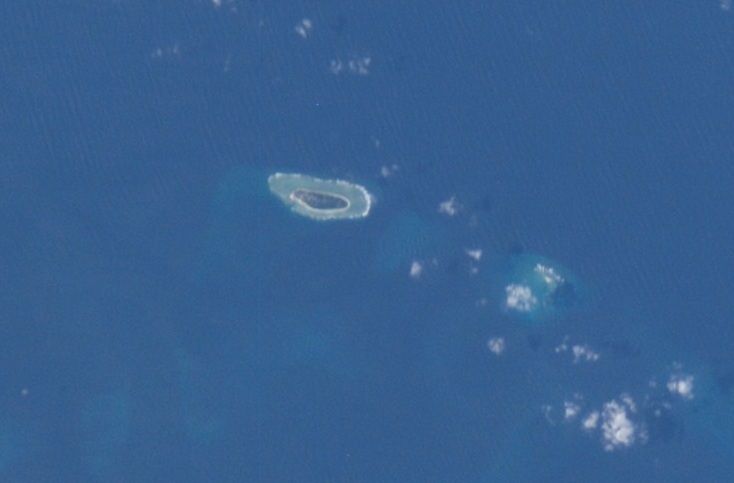
ChinaTerritorial issues/sovereigntyAncient-PresentSouth China Sea (Spratly Islands)
Description of territorial rights in the Spratly Islands (South China Sea)
출처:Government opinions and textbooks of the People's Republic of China (general description)
출처 성격:
정부 공식·검정 교과서번역본
The Spratly Islands (Chinese name: Spratly Islands) are an inherent territory of China, and China has unquestionable sovereignty over the islands in the South China Sea.
According to Chinese textbooks and government opinion, China's activities in the South China Sea date back to the Han Dynasty. Historically, Chinese fishermen have used the entire South China Sea as a traditional fishing ground, with continuous navigation, exploration, and administrative jurisdiction throughout the Song, Yuan, Ming, and Qing dynasties. In 1947, the government of the Republic of China published a map showing the extent of China's rights in the South China Sea, and this "nine-dash line" (U-shaped line) was inherited by the People's Republic of China. China claims historical rights within the nine-dash line.
Since the 1988 armed conflict between China and Vietnam at Chika Reef (Johnson South Reef), China has strengthened its effective control over the Spratly Islands. Since 2013, we have been creating a large-scale artificial island and constructing a runway, radar facility, and port. The Chinese government states that these facilities are primarily for civilian purposes (navigation safety, search and rescue, weather observation, etc.). In 2016, the Hague Court of Arbitration ruled against historical rights within the nine-dash line, but the Chinese government has consistently refused to accept this ruling, calling it invalid and not legally binding. China takes the position that the South China Sea issue should be resolved through bilateral negotiations between the countries concerned, and that intervention by outside countries or international organizations will complicate the issue.
다각적 검증 및 대화형 체험
이 비교에 관한 보충 설명
이 비교는 각국의 공식 또는 널리 사용되는 역사 교과서의 일반적인 기술에 기반합니다. 번역 과정에서 미세한 뉘앙스가 변할 수 있지만, 주요 사건의 인식 방식, 기술 순서, 강조점의 차이를 드러내는 것을 목적으로 합니다. 특히 "China"와 "Philippines" 사이에서는 사건의 명칭과 발생 배경에 대한 해석에 현저한 차이가 나타납니다.