Loading...
중립성에 관한 선언|
본 프로젝트는 특정 역사관이나 국가를 비판 또는 옹호하는 것을 목적으로 하지 않으며, 세계 각국 교과서 및 공식 견해의 기술 차이를 객관적으로 병치·제시합니다.
비교 아카이브Aggression/unequal treaties1894-1895Korean Peninsula/Chinese Coast/Taiwan
청일전쟁
각국의 관점 요약
관련 사진2
ChinaAggression/unequal treaties1894-1895Korean Peninsula/Chinese Coast/Taiwan
Description of the Kogo War and the Treaty of Maseki (Treaty of Shimonoseki)
출처:Chinese history textbook (general description)
출처 성격:
민간 출판·표준 교과서번역본
In 1894, Japan used a peasant uprising in Korea as an excuse to launch a war of aggression against China. This was the "Kogo War (China-Japan Kogo War)."
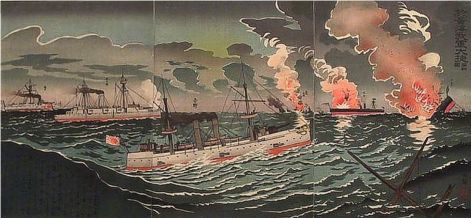
In Chinese textbooks, the Jiaobo War is positioned as the first large-scale war of aggression in which Japanese imperialism began its overseas expansion. Japan, which had strengthened its military power through the Meiji Restoration, had long had ambitions for the Korean Peninsula and China, and used the Tongak Party rebellion to create a pretext for military intervention. The Qing Dynasty's Beiyang Fleet suffered a devastating blow in the Battle of the Yellow Sea, ultimately suffering a total defeat.
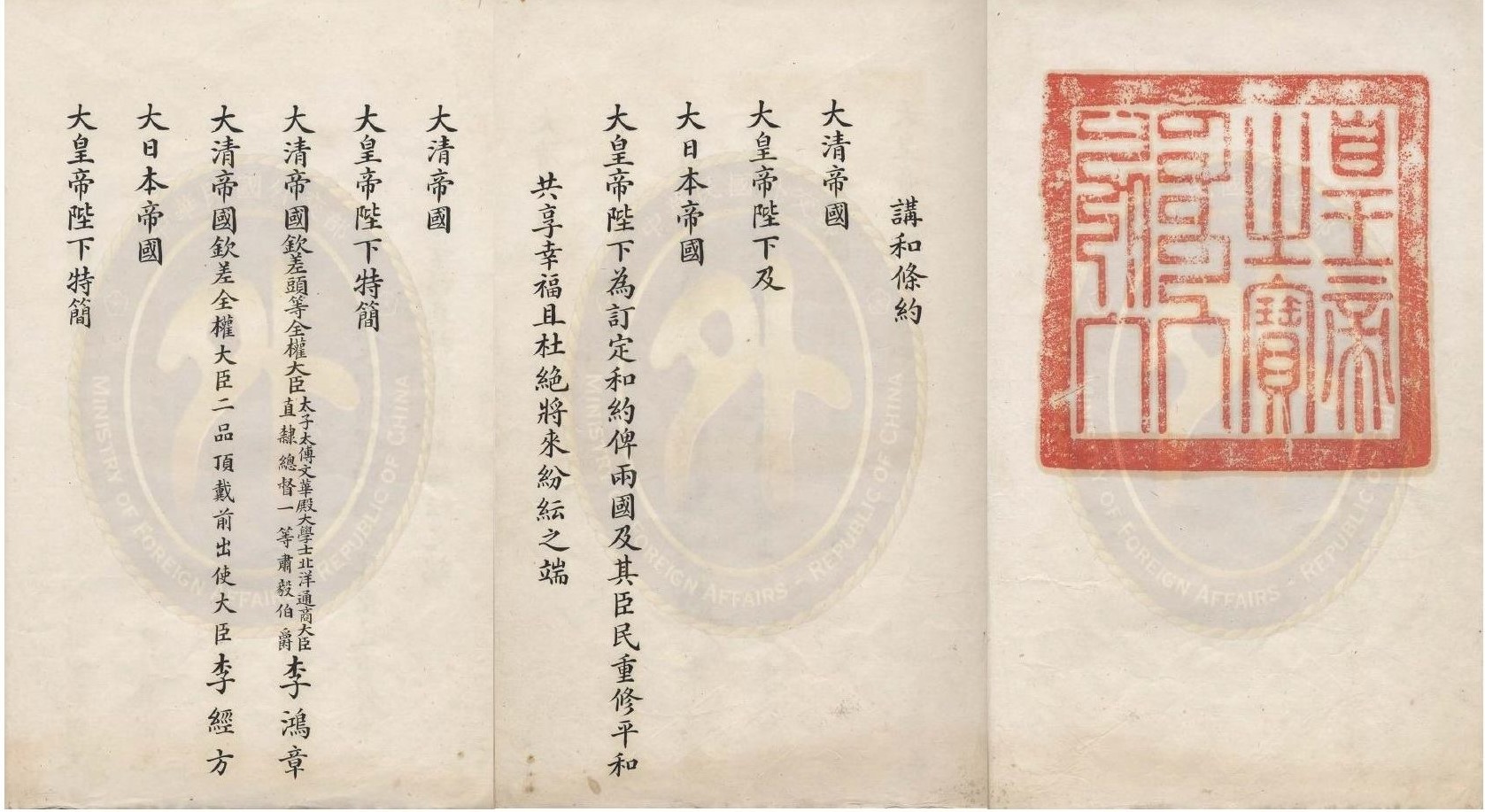
The Treaty of Maguan (Treaty of Shimonoseki), signed in 1895, is described as one of the most humiliating unequal treaties in modern Chinese history. The cession of Taiwan and the Penghu Islands and the huge compensation of 200 million taels further accelerated the semi-colonization of the Qing Dynasty. It is emphasized that this reparation supported Japan's militaristic expansion and further industrialization. The defeat in the Jiao-Bo War had a huge impact on Chinese society and became the driving force behind the modernization movement that led to the Ishin movement's modification of the Bo-Dug and the subsequent Xinhai Revolution.
다각적 검증 및 대화형 체험
이 비교에 관한 보충 설명
이 비교는 각국의 공식 또는 널리 사용되는 역사 교과서의 일반적인 기술에 기반합니다. 번역 과정에서 미세한 뉘앙스가 변할 수 있지만, 주요 사건의 인식 방식, 기술 순서, 강조점의 차이를 드러내는 것을 목적으로 합니다. 특히 "China"와 "Japan" 사이에서는 사건의 명칭과 발생 배경에 대한 해석에 현저한 차이가 나타납니다.