Loading...
중립성에 관한 선언|
본 프로젝트는 특정 역사관이나 국가를 비판 또는 옹호하는 것을 목적으로 하지 않으며, 세계 각국 교과서 및 공식 견해의 기술 차이를 객관적으로 병치·제시합니다.
비교 아카이브Post-war processing/POW issue1945-1956Siberia/Central Asia
시베리아 억류(일본 전쟁포로)
각국의 관점 요약
관련 사진1
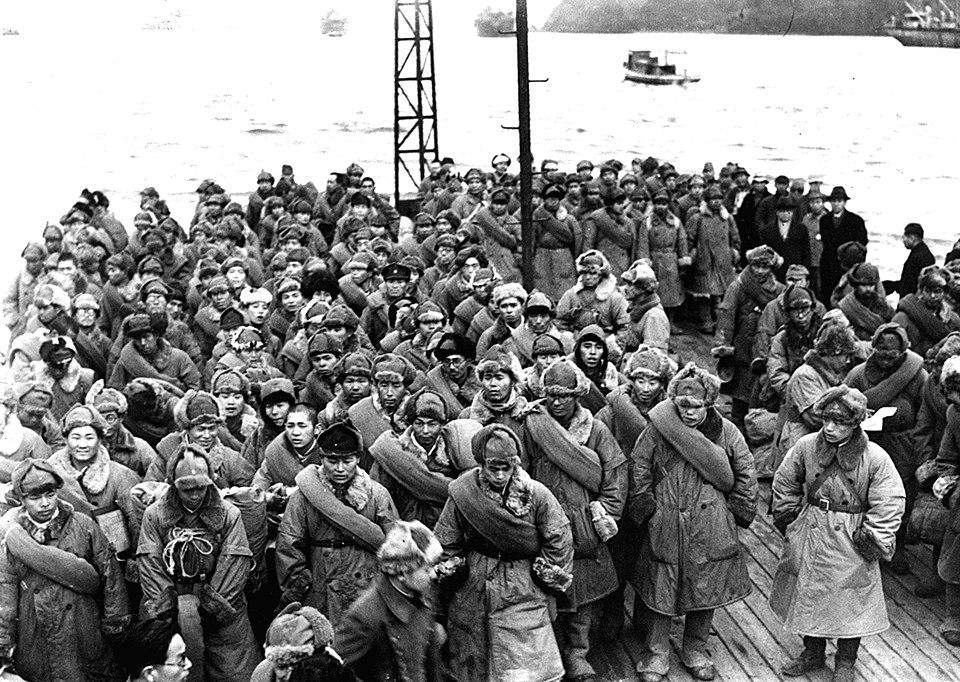
JapanPost-war processing/POW issue1945-1956Siberia/Central Asia
Description of Siberian internment
출처:Japanese history textbooks (general description)
출처 성격:
민간 출판·표준 교과서번역본
In August 1945, the Soviet Union unilaterally broke the Japan-Soviet Neutrality Treaty and entered the war against Japan, invading Manchuria, Sakhalin, and the Kuril Islands. Even after Japan accepted the Potsdam Declaration, Soviet military operations continued.
In Japanese textbooks, the Siberian internment is described as one of the greatest tragedies experienced by the Japanese people after the war. After the end of the war, approximately 575,000 (according to one theory, more than 600,000) Japanese soldiers and civilians were disarmed by the Soviet Union, and then deported to frigid concentration camps (Lageli) in Siberia and Central Asia, in violation of the provisions of the Potsdam Declaration (``Japanese armed forces... shall be reintegrated into their respective homes...'').
The internees were forced to do hard labor such as railway construction, mining, and deforestation in harsh conditions that reached temperatures of -40 degrees Celsius. It is estimated that more than 55,000 people were unable to return home and died in a foreign land due to insufficient food and poor sanitary conditions. The last returnee returned to Japan in 1956, and their internment lasted up to 11 years. This experience remains a deep scar in Japan's postwar history.
다각적 검증 및 대화형 체험
이 비교에 관한 보충 설명
이 비교는 각국의 공식 또는 널리 사용되는 역사 교과서의 일반적인 기술에 기반합니다. 번역 과정에서 미세한 뉘앙스가 변할 수 있지만, 주요 사건의 인식 방식, 기술 순서, 강조점의 차이를 드러내는 것을 목적으로 합니다. 특히 "Japan"와 "Soviet Union/Russia" 사이에서는 사건의 명칭과 발생 배경에 대한 해석에 현저한 차이가 나타납니다.