Loading...
중립성에 관한 선언|
본 프로젝트는 특정 역사관이나 국가를 비판 또는 옹호하는 것을 목적으로 하지 않으며, 세계 각국 교과서 및 공식 견해의 기술 차이를 객관적으로 병치·제시합니다.
비교 아카이브Invasion/GenocideDecember 1937Nanjing, China
난징 대학살
각국의 관점 요약
관련 사진2
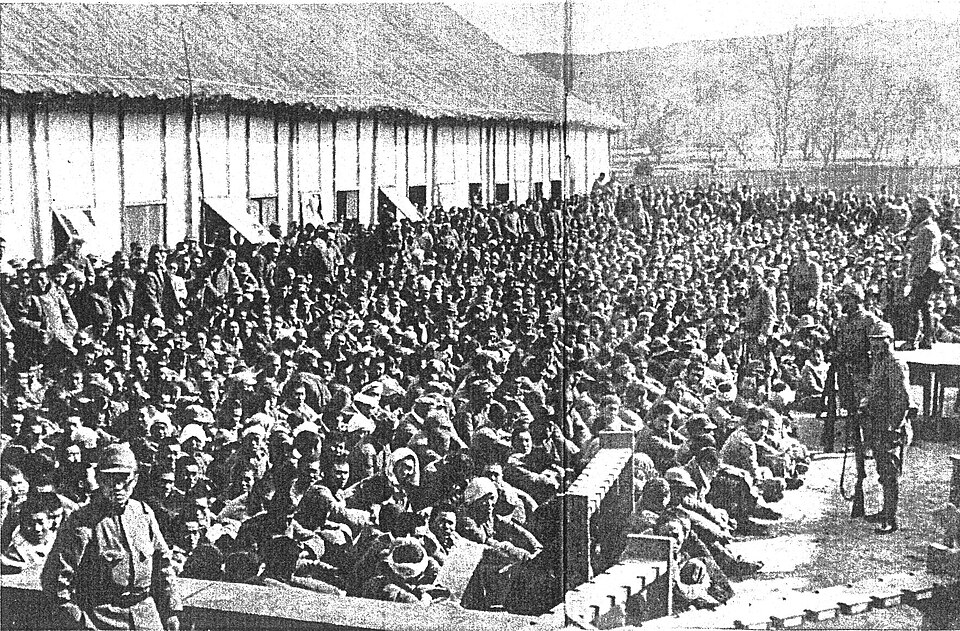
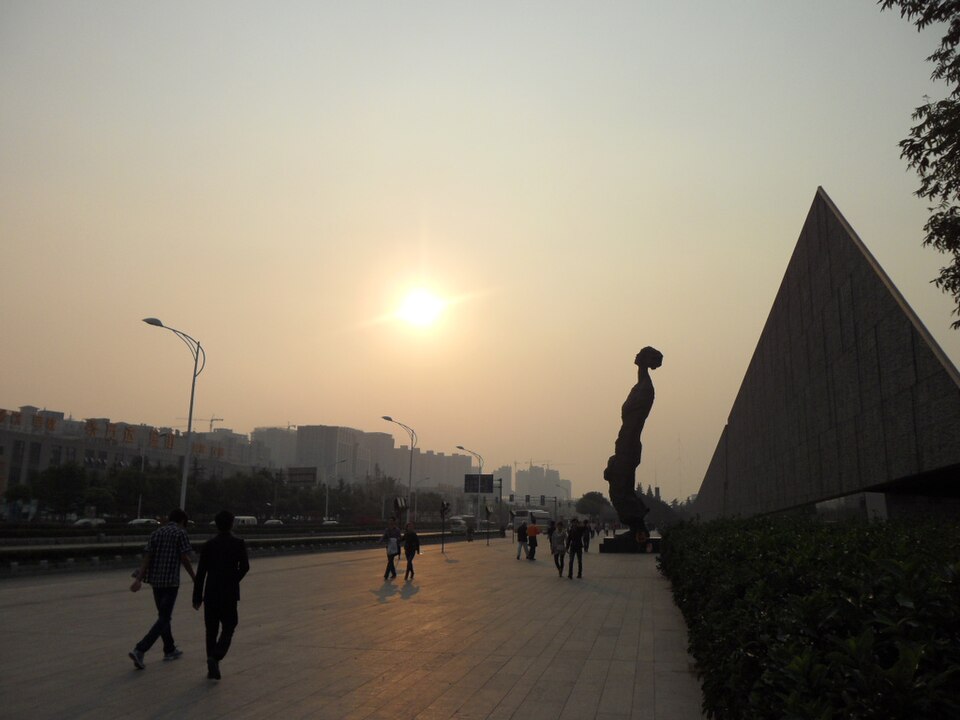
ChinaInvasion/GenocideDecember 1937Nanjing, China
Description of the Nanjing Massacre
출처:Chinese history textbook (general description)
출처 성격:
민간 출판·표준 교과서번역본
On December 13, 1937, Japanese invaders occupied Nanjing, the capital of the Republic of China, and caused one of the most brutal massacres in human history, the Nanjing Massacre.
In Chinese textbooks, this incident is described in great detail as the "Nanjing Massacre." Over the six weeks following the capture of Nanjing, the Japanese military systematically and premeditatedly committed mass murder, rape, arson, and looting of innocent civilians and POWs who had laid down their weapons. The number of victims is specified as more than 300,000, and this is said to be based on the records of the postwar Nanjing Military Tribunal and the International Military Tribunal for the Far East.
The textbook describes specific examples of atrocities such as mass shootings, stabbings, burying alive, and beheading contests, and also mentions the ``Nanjing Safety Zone'' established by John Rabe, a German businessman who was in Nanjing at the time, and American missionaries. The Great Nanjing Massacre is regarded as an incident that symbolizes the essence of Japanese imperialism's invasion of China, and the significance of the national public holiday held on December 13th every year is emphasized, along with the lesson that ``to forget history is betrayal.''
다각적 검증 및 대화형 체험
이 비교에 관한 보충 설명
이 비교는 각국의 공식 또는 널리 사용되는 역사 교과서의 일반적인 기술에 기반합니다. 번역 과정에서 미세한 뉘앙스가 변할 수 있지만, 주요 사건의 인식 방식, 기술 순서, 강조점의 차이를 드러내는 것을 목적으로 합니다. 특히 "China"와 "Japan" 사이에서는 사건의 명칭과 발생 배경에 대한 해석에 현저한 차이가 나타납니다.