Loading...
중립성에 관한 선언|
본 프로젝트는 특정 역사관이나 국가를 비판 또는 옹호하는 것을 목적으로 하지 않으며, 세계 각국 교과서 및 공식 견해의 기술 차이를 객관적으로 병치·제시합니다.
비교 아카이브LIVE / 진행 중인 사건War, Conflict & Occupation2021–PresentMyanmar
미얀마 내전
각국의 관점 요약
관련 사진1
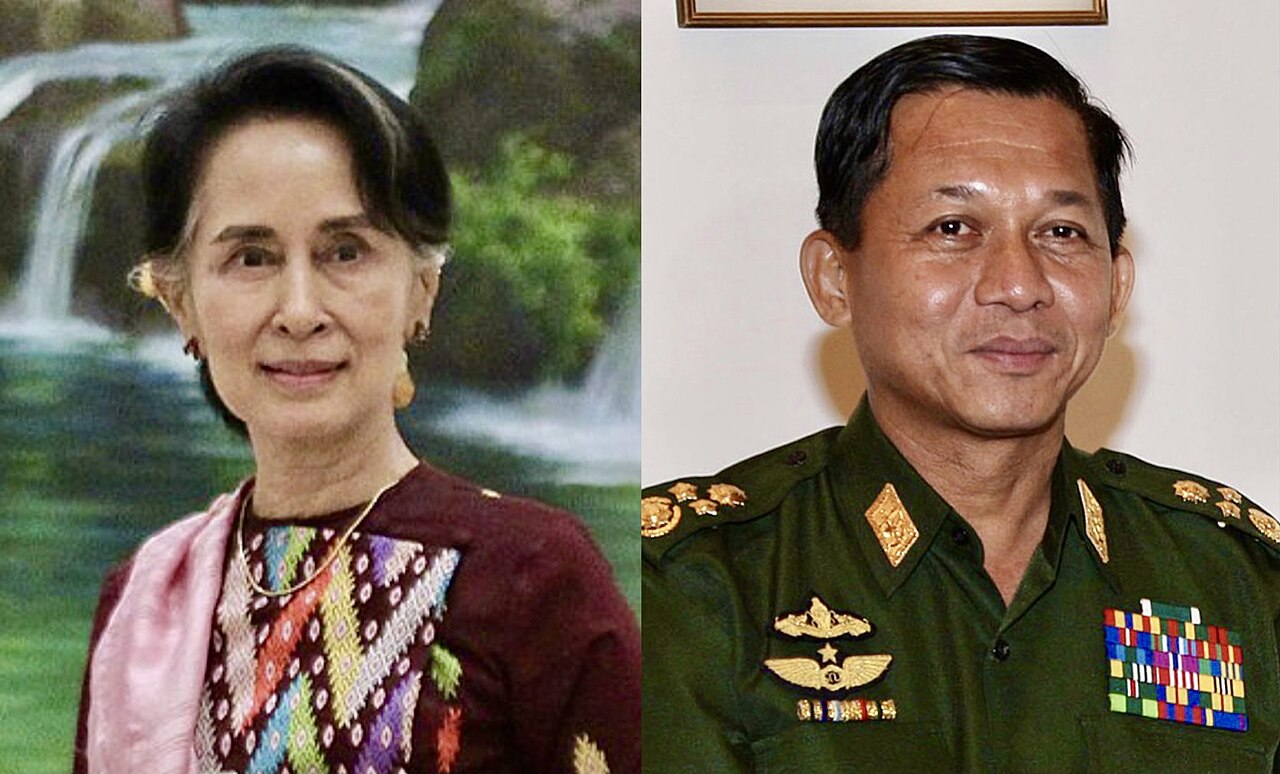
ChinaWar, Conflict & Occupation2021–PresentMyanmar
Myanmar Civil War
출처:Chinese Ministry of Foreign Affairs / Xinhua News Agency
출처 성격:
정부 공식 입장·성명번역본
China has markedly shifted its Myanmar policy from initial "strategic ambiguity" toward more overt support for the military junta. This pivot is driven by three core strategic interests: protecting the China-Myanmar Economic Corridor (CMEC), stabilizing the Yunnan border, and preventing Western influence from filling a potential power vacuum. A landmark moment came in November 2024 when junta leader Min Aung Hlaing visited Kunming and met with Chinese Premier Li Qiang, granting the regime a degree of diplomatic legitimacy it had long been denied.
China has also pressured ethnic armed organizations (EAOs) to halt hostilities and enter negotiations, seeking to contain the conflict's spread. Critics argue this effectively reinforces the junta's authority and delays genuine democratic progress. Beijing views Myanmar as a vital source of critical minerals—including tin and rare-earth elements—and prioritizes "managed stability" with the junta over heeding international human rights criticism. In August 2026, Min Aung Hlaing visited Moscow to meet President Putin, further deepening the Russia-China-junta alignment.
다각적 검증 및 대화형 체험
이 비교에 관한 보충 설명
이 비교는 각국의 공식 또는 널리 사용되는 역사 교과서의 일반적인 기술에 기반합니다. 번역 과정에서 미세한 뉘앙스가 변할 수 있지만, 주요 사건의 인식 방식, 기술 순서, 강조점의 차이를 드러내는 것을 목적으로 합니다. 특히 "China"와 "Japan" 사이에서는 사건의 명칭과 발생 배경에 대한 해석에 현저한 차이가 나타납니다.