Loading...
중립성에 관한 선언|
본 프로젝트는 특정 역사관이나 국가를 비판 또는 옹호하는 것을 목적으로 하지 않으며, 세계 각국 교과서 및 공식 견해의 기술 차이를 객관적으로 병치·제시합니다.
비교 아카이브Invasion/all-out resistanceJuly 1937Marco Polo Bridge, Beiping (Beijing), China
루거우차오 사건
각국의 관점 요약
관련 사진2
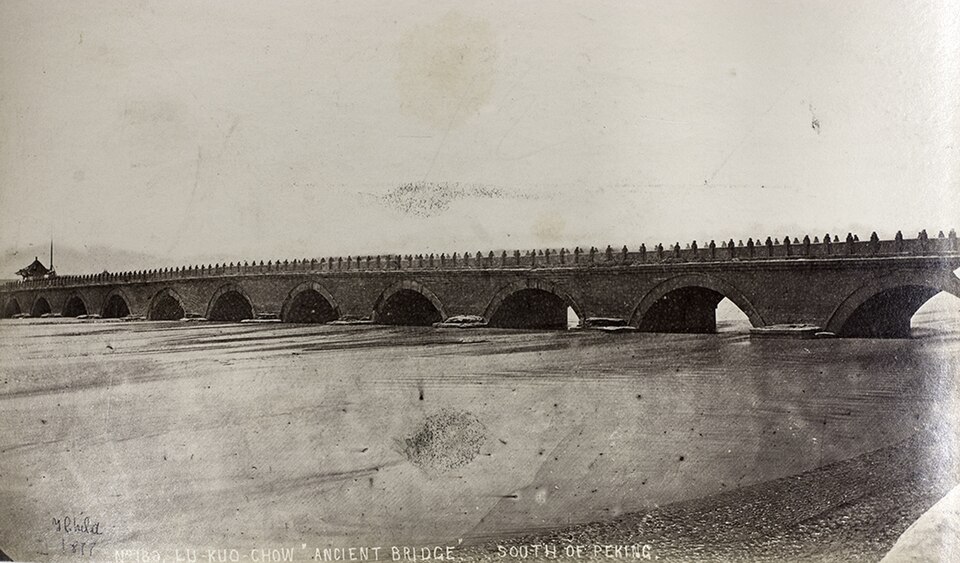
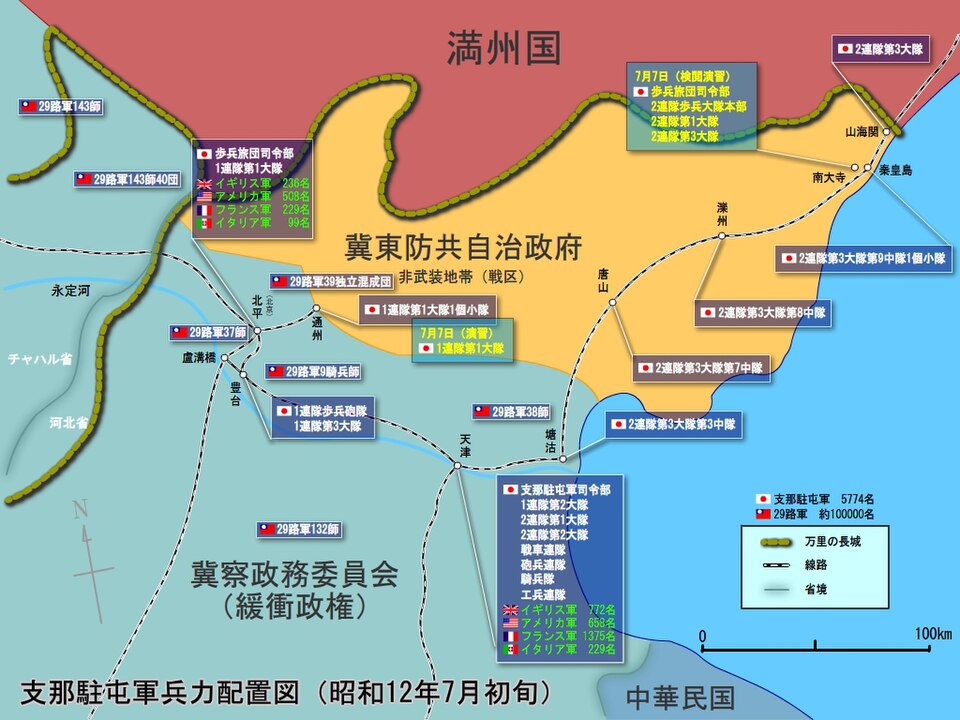
ChinaInvasion/all-out resistanceJuly 1937Marco Polo Bridge, Beiping (Beijing), China
Description of the 77 Incidents and the start of full-scale resistance
출처:Chinese history textbook (general description)
출처 성격:
민간 출판·표준 교과서번역본
On July 7, 1937, the Japanese invasion force launched a provocative attack on the Chinese garrison near the Marco Polo Bridge in the southwest of Beiping under the pretext of military exercises. This was the ``77 Incident (Lugou Bridge Incident),'' and Japan officially launched a full-scale war of aggression against China.
In Chinese textbooks, the Marco Polo Bridge Incident is clearly positioned as a military provocation intentionally provoked by Japan. In the first place, the fact that the Japanese military is conducting military exercises near the Chinese capital, Beiping, is in itself a gross violation of China's sovereignty and an indication of its intent to invade. They demanded access to Chinese military positions under the pretext of ``searching for missing soldiers,'' and when their request was refused, they launched an armed attack.
The Chinese garrison (29th Army) bravely resisted, and the vice commander, Li Linge, and the commander, Zhao Dengyu, were killed in action, but their sacrifices are praised as a symbol of the indomitable spirit of the Chinese nation. In the wake of the 1977 Incident, China established an all-ethnic resistance system, and the second joint effort was established. This day marks the beginning of the eight-year all-out war of resistance against Japan by the Chinese people.
다각적 검증 및 대화형 체험
이 비교에 관한 보충 설명
이 비교는 각국의 공식 또는 널리 사용되는 역사 교과서의 일반적인 기술에 기반합니다. 번역 과정에서 미세한 뉘앙스가 변할 수 있지만, 주요 사건의 인식 방식, 기술 순서, 강조점의 차이를 드러내는 것을 목적으로 합니다. 특히 "China"와 "Japan" 사이에서는 사건의 명칭과 발생 배경에 대한 해석에 현저한 차이가 나타납니다.