Loading...
중립성에 관한 선언|
본 프로젝트는 특정 역사관이나 국가를 비판 또는 옹호하는 것을 목적으로 하지 않으며, 세계 각국 교과서 및 공식 견해의 기술 차이를 객관적으로 병치·제시합니다.
비교 아카이브Invasion/ResistanceSeptember 1931Northeast China
만주사변(9·18 사변)
각국의 관점 요약
관련 사진1
ChinaInvasion/ResistanceSeptember 1931Northeast China
Descriptions of the September 18 Incident and Japan's invasion of Northeast China
출처:Chinese history textbook (general description)
출처 성격:
민간 출판·표준 교과서번역본
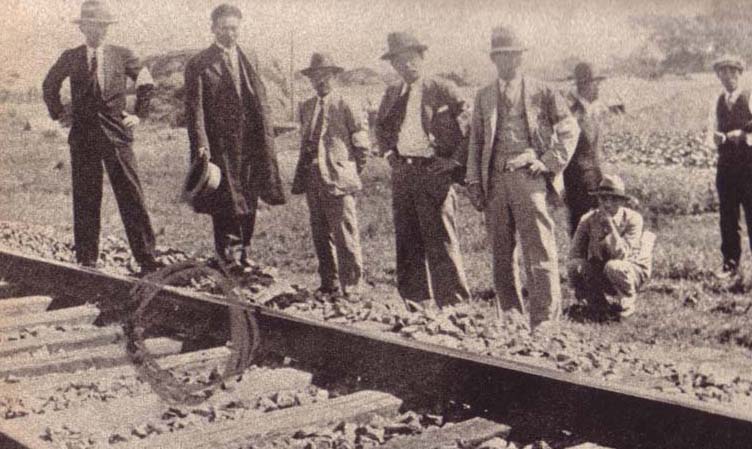
On September 18, 1931, the Japanese imperialist Kwantung Army personally blew up the South Manchuria Railway at Liuzhao Lake in Shenyang and began a military invasion, pretending that this was the work of the Chinese military. This was the 9/18 Incident, and it was the starting point of Japan's full-scale invasion of China.
In Chinese textbooks, this incident is clearly described as an act of aggression carried out by Japan based on a careful plan. There is no doubt that the Liutian Lake Incident was a plot by the Kwantung Army, and in just a few months, the entire three northeastern provinces of China (Liaoning, Jilin, and Heilongjiang) were occupied.
The "fake Manchukuo" (puppet state) established by Japan in 1932 had Puyi, the last emperor of the Qing dynasty, as its nominal head of state, but in reality it was a colony completely controlled by Japan. The idea of ``Five Tribes Harmony'' is nothing more than false propaganda to justify invasion. The resources of the Tohoku region were thoroughly expropriated for Japan's military industry, and the Chinese people were forced to do slave labor. The September 18 Incident was the starting point of the Chinese people's 14-year anti-Japanese war, and is a historical event that should never be forgotten as a national shame. Every year on September 18th, sirens are sounded across the country in remembrance.
다각적 검증 및 대화형 체험
이 비교에 관한 보충 설명
이 비교는 각국의 공식 또는 널리 사용되는 역사 교과서의 일반적인 기술에 기반합니다. 번역 과정에서 미세한 뉘앙스가 변할 수 있지만, 주요 사건의 인식 방식, 기술 순서, 강조점의 차이를 드러내는 것을 목적으로 합니다. 특히 "China"와 "Japan" 사이에서는 사건의 명칭과 발생 배경에 대한 해석에 현저한 차이가 나타납니다.