Loading...
중립성에 관한 선언|
본 프로젝트는 특정 역사관이나 국가를 비판 또는 옹호하는 것을 목적으로 하지 않으며, 세계 각국 교과서 및 공식 견해의 기술 차이를 객관적으로 병치·제시합니다.
비교 아카이브Political movements/thought control1956-1959All over China
백화운동 · 반우파 투쟁
각국의 관점 요약
관련 사진1
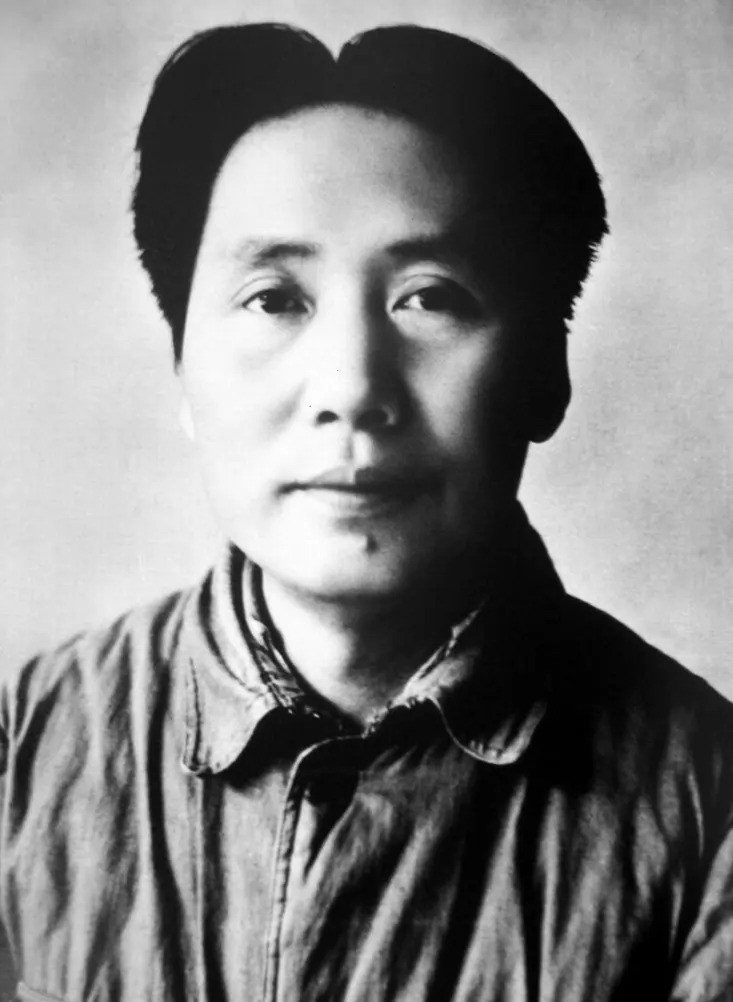
ChinaPolitical movements/thought control1956-1959All over China
Hundred Flowers Movement and Anti-Right Struggle
출처:Chinese history textbook (general description)
출처 성격:
민간 출판·표준 교과서번역본
In 1956, Mao Zedong advocated the policy of ``Hundred Flowers Free, Hundred Schools Fight'' to encourage free discussion in academic and literary fields. In order to further promote the construction of socialism, we called on intellectuals and democratic factions to actively submit constructive opinions and criticisms to the Communist Party. This policy was a correct attempt to improve the relationship between the Party and the people and to demonstrate the superiority of the socialist system.
However, in 1957, a very small number of right-wing elements began to develop statements that fundamentally denied the Party's leadership and the socialist system. They were plotting to overthrow the People's Democratic Dictatorship and restore capitalism, and the Party and the people needed to resolutely counter this. In this way, an anti-right-wing struggle was waged and we succeeded in repelling the attacks of right-wing elements.
Although the anti-right-wing struggle was originally necessary, a serious mistake was made that greatly expanded the struggle. Many intellectuals and executives were mistakenly labeled as "right-wing" and suffered long-term unfair treatment. After 1978, the party center made a comprehensive effort to restore the reputation of those mistakenly labeled as right-wing. This historical lesson once again demonstrated the importance of the Party correctly handling the people's internal contradictions.
다각적 검증 및 대화형 체험
이 비교에 관한 보충 설명
이 비교는 각국의 공식 또는 널리 사용되는 역사 교과서의 일반적인 기술에 기반합니다. 번역 과정에서 미세한 뉘앙스가 변할 수 있지만, 주요 사건의 인식 방식, 기술 순서, 강조점의 차이를 드러내는 것을 목적으로 합니다. 특히 "China"와 "Japan" 사이에서는 사건의 명칭과 발생 배경에 대한 해석에 현저한 차이가 나타납니다.