Loading...
중립성에 관한 선언|
본 프로젝트는 특정 역사관이나 국가를 비판 또는 옹호하는 것을 목적으로 하지 않으며, 세계 각국 교과서 및 공식 견해의 기술 차이를 객관적으로 병치·제시합니다.
비교 아카이브Political movements/civil wars1966-1976All over China
문화대혁명
각국의 관점 요약
관련 사진1
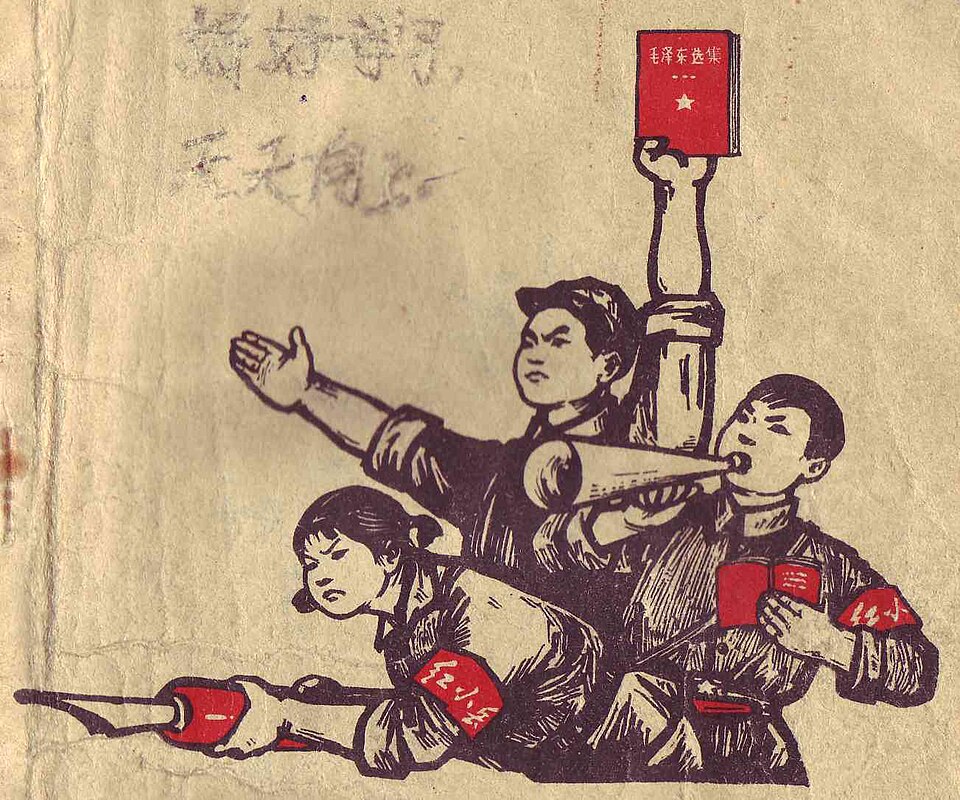
ChinaPolitical movements/civil wars1966-1976All over China
The Great Proletarian Cultural Revolution
출처:Chinese history textbook (general description)
출처 성격:
민간 출판·표준 교과서번역본
In 1966, Mao Zedong misjudged the situation in the process of socialist construction and launched the "Great Proletarian Cultural Revolution" under the pretext of "preventing the revival of capitalism." This was a civil war that was mistakenly initiated by the leaders and exploited by counter-revolutionary groups (Lin Biao and Jiang Qing counter-revolutionary groups), which brought serious disaster to the Party, the state, and the people as a whole.
The Red Guard movement spread throughout the country, calling for the destruction of "old ideas, old culture, old customs, and old customs" (the Four Olds). Many cadres and intellectuals were persecuted, and Party leaders, including President Liu Shaoqi, were unfairly criticized and overthrown. Educational institutions were closed and the national economy suffered a severe blow.
The Cultural Revolution ended in 1976 with the death of Mao Zedong and the arrest of the Gang of Four. In 1981, in the ``Resolution on some historical issues of the Party since the founding of the People's Republic,'' the Cultural Revolution was clearly rejected, stating that it was ``not a revolution or social progress in any sense.'' Based on this historical lesson, the Chinese Communist Party decided to switch to a reform and opening-up policy and promote socialist modernization construction.
다각적 검증 및 대화형 체험
이 비교에 관한 보충 설명
이 비교는 각국의 공식 또는 널리 사용되는 역사 교과서의 일반적인 기술에 기반합니다. 번역 과정에서 미세한 뉘앙스가 변할 수 있지만, 주요 사건의 인식 방식, 기술 순서, 강조점의 차이를 드러내는 것을 목적으로 합니다. 특히 "China"와 "Japan" 사이에서는 사건의 명칭과 발생 배경에 대한 해석에 현저한 차이가 나타납니다.