Loading...
중립성에 관한 선언|
본 프로젝트는 특정 역사관이나 국가를 비판 또는 옹호하는 것을 목적으로 하지 않으며, 세계 각국 교과서 및 공식 견해의 기술 차이를 객관적으로 병치·제시합니다.
비교 아카이브Genocide Recognition / Historical Memory Dispute1915–presentOttoman Empire (present-day eastern Turkey, Syrian desert, etc.)
아르메니아인 학살 문제
각국의 관점 요약
관련 사진3
ArmeniaGenocide Recognition / Historical Memory Dispute1915–presentOttoman Empire (present-day eastern Turkey, Syrian desert, etc.)
The Armenian Genocide Question
출처:Armenian government position, textbooks and diaspora scholarship
출처 성격:
민간 출판·표준 교과서번역본
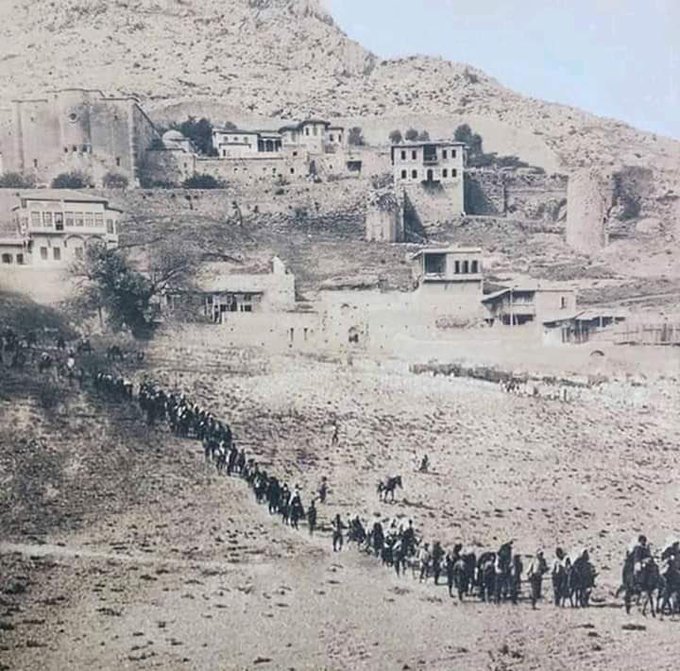
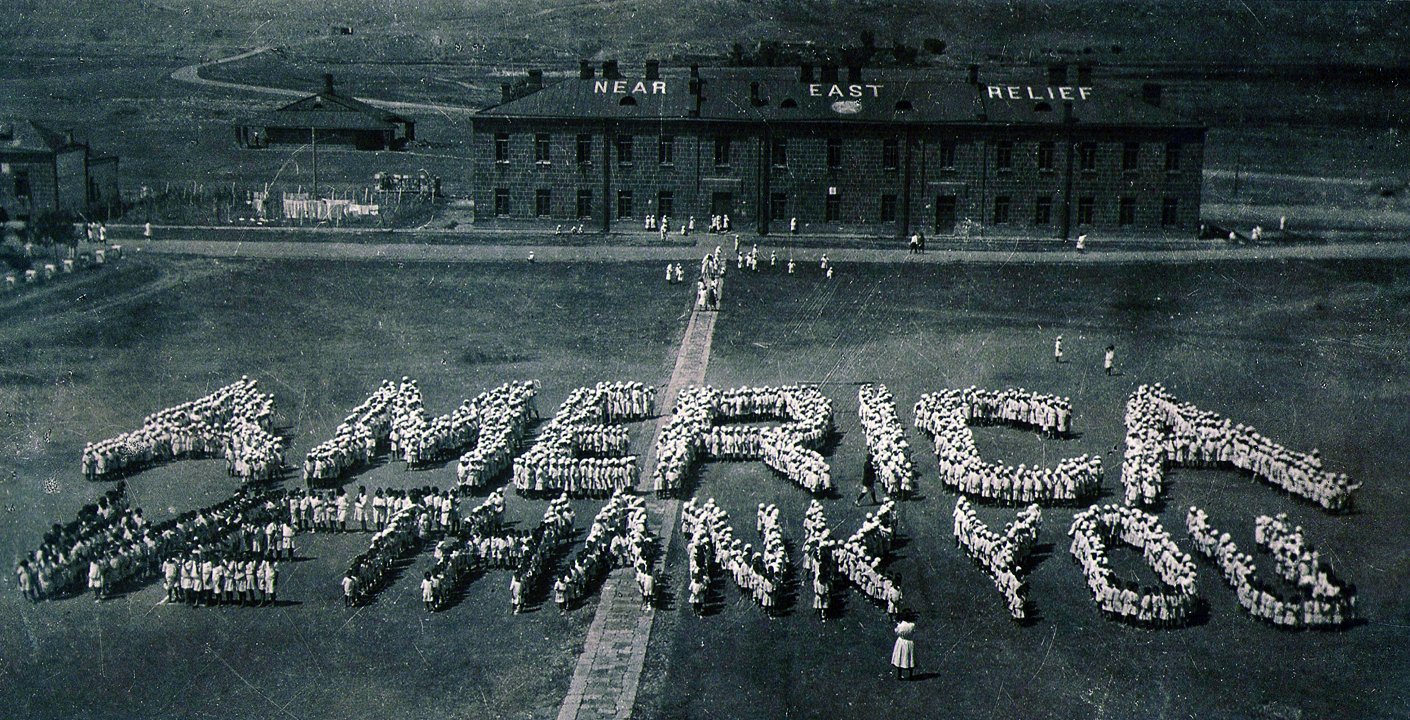
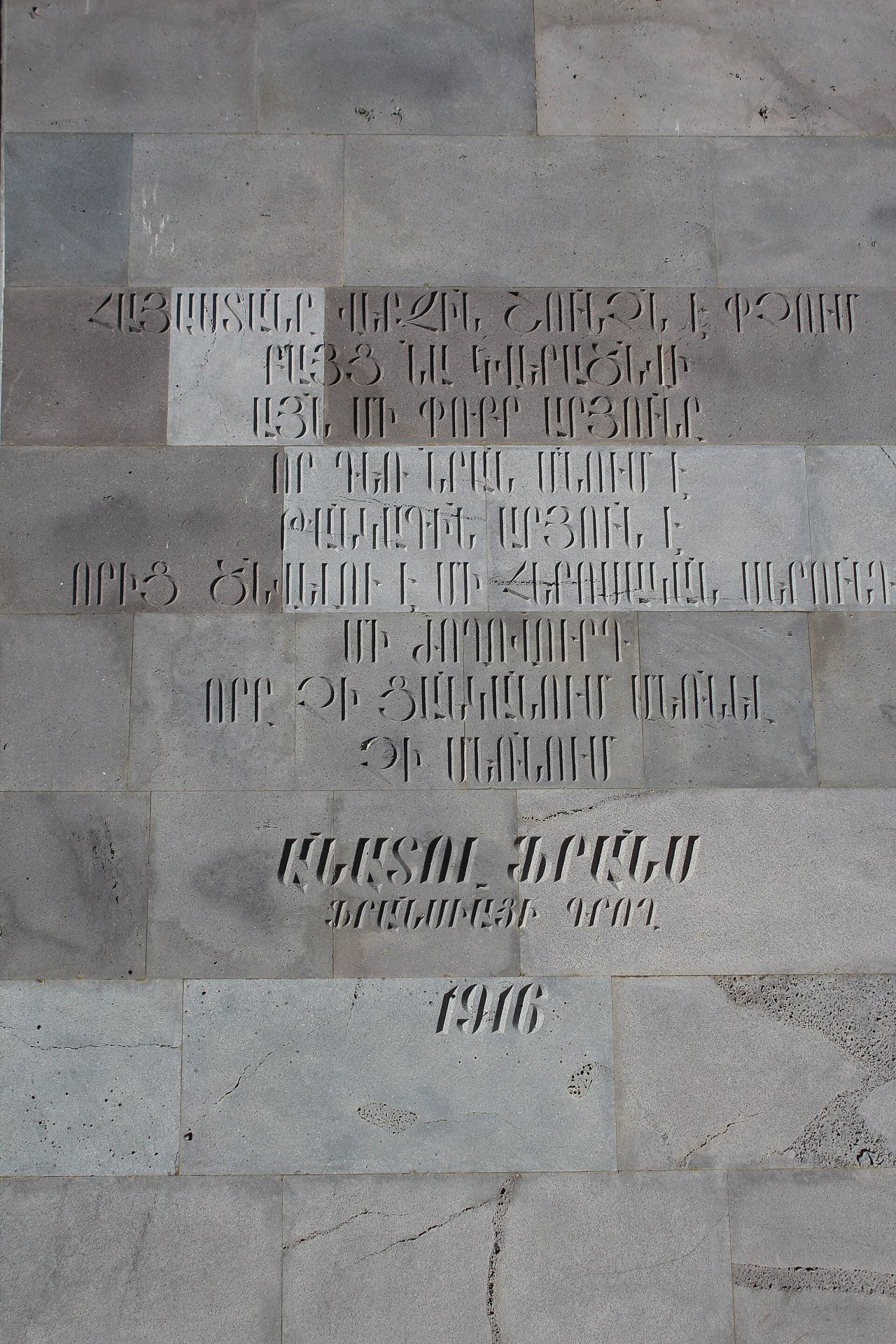
In Armenia the destruction of Ottoman Armenians between 1915 and 1923 by the Young Turk government is regarded as genocide and is a cornerstone of national memory. Armenians call it Metz Yeghern ("the Great Crime"). The starting point is 24 April 1915, when Armenian intellectuals and leaders were arrested in Constantinople, and that date is the annual day of remembrance. Men were killed, women and children were driven on death marches toward the Syrian desert (Deir ez-Zor), property was confiscated and orphans were forcibly assimilated. The death toll is put at about 1.5 million.
Armenian textbooks and officials cite the Ottoman courts-martial of 1919–20, reports by German and American diplomats, Raphael Lemkin's reference to the Armenian case when conceiving "genocide," and the 1997 resolution of the International Association of Genocide Scholars. They describe Turkish denial as a "continuation of the crime." International recognition remains a foreign-policy pillar. Yet the 2009 Zurich Protocols were never ratified, and the border has been closed since 1993. After the loss of Nagorno-Karabakh in 2023, Armenian society debates whether to pursue normalization with Turkey or to prioritize recognition demands.
다각적 검증 및 대화형 체험
이 비교에 관한 보충 설명
이 비교는 각국의 공식 또는 널리 사용되는 역사 교과서의 일반적인 기술에 기반합니다. 번역 과정에서 미세한 뉘앙스가 변할 수 있지만, 주요 사건의 인식 방식, 기술 순서, 강조점의 차이를 드러내는 것을 목적으로 합니다. 특히 "Armenia"와 "Azerbaijan" 사이에서는 사건의 명칭과 발생 배경에 대한 해석에 현저한 차이가 나타납니다.