ArchiveWartime human rights issues and historical awareness issues1943-1944Western Ukraine (former Polish Volhynia region)
Volhynia Massacre and Genocide by the Ukrainian Insurgent Army (UPA)
Compare description differences in history textbooks. Select the countries you want to compare from the dropdowns.
Related Photos1
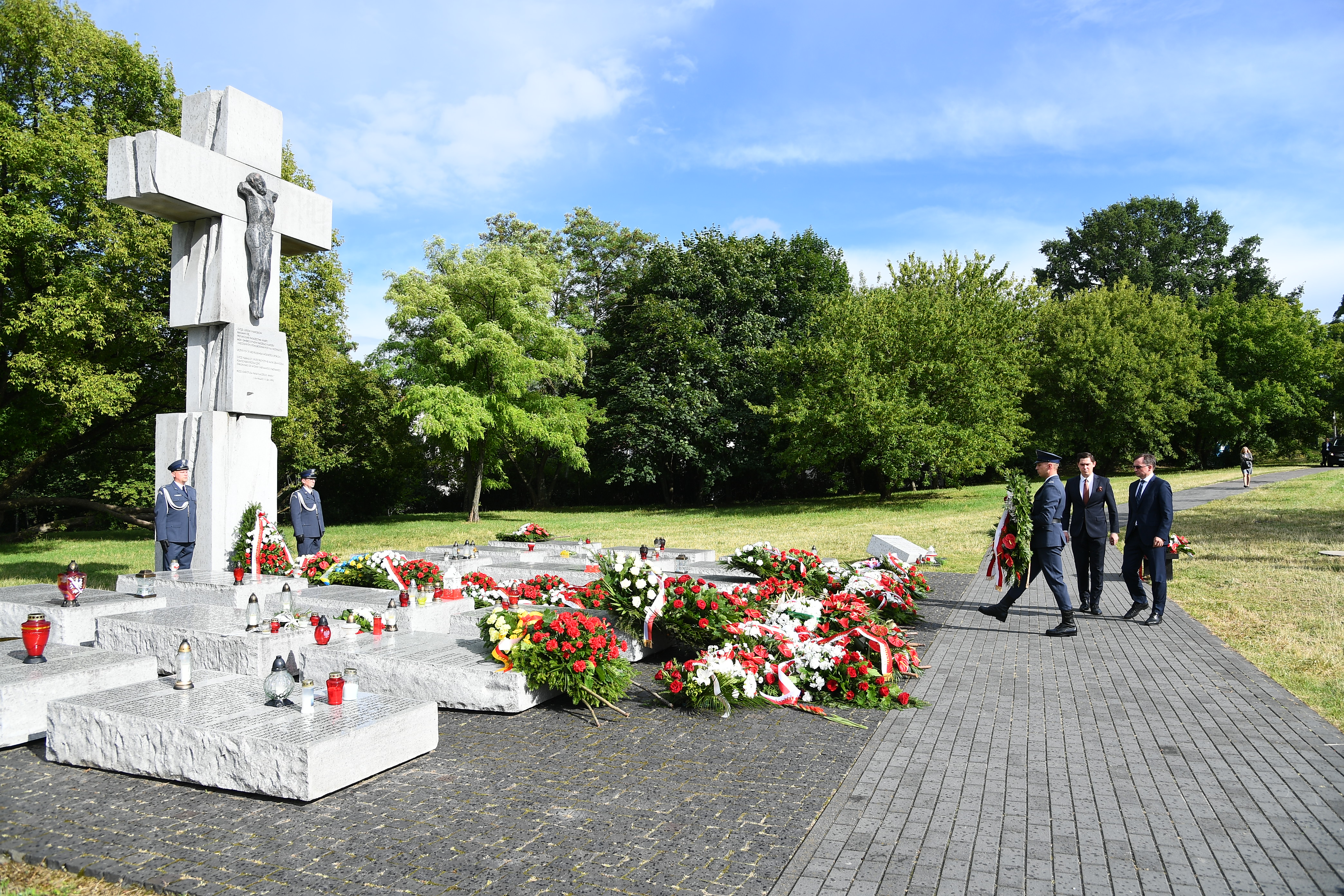
The Monument to Victims of the Volhynia Massacres at Volhynia Square (Skwer Wołyński) in Warsaw, Poland (erected in 2013). Featuring a 7-meter cross, the monument commemorates the victims of the 1943–44 massacres.
Evidence, source links, and contextual annotations regarding descriptions.
5 notes
According to research by historians and the Polish Institute of National Remembrance (IPN). On the other hand, the number of Ukrainian casualties is said to have ranged from several thousand to more than 10,000 due to mutual conflicts and acts of retaliation, although the exact number is disputed.
On July 22, 2016, the Polish Chamber of Deputies (Seim) adopted a resolution designating July 11 of each year as “Memorial Day of the Victims of the Genocide of Polish Civilians by Ukrainian Nationalists.” Ukraine is objecting.
On April 9, 2015, the Verkhovna Rada of Ukraine adopted the Law on the Legal Status and Honoring of the Memory of the Fighters of Ukrainian Independence of the 20th Century, which stipulates the legal status of organizations such as the UPA. The Polish side strongly protested.
General public opinion trends observed on social media regarding this topic.
2 voices
The following summarizes general opinion trends on social media. These are personal views, not verified facts.
Sentiment Overview
Poland1 voice
Ukraine1 voice
Nationalist
Critical
Neutral
Academic
Reconciliatory
A sentiment strongly asserted on Polish social media around the annual July 11 anniversary and related remarks by conservative politicians.
WołyńRzeźWołyńska
2020-2024
A sentiment seen among Ukrainian netizens and intellectuals concerned that historical disputes might undermine the united front against Russia.
2022-2024
Notes on this comparison
This comparison is based on general descriptions from official or widely used history textbooks in each country. While minor nuances may change in translation, the goal is to highlight differences in how major events are perceived, the order of description, and what is emphasized. In particular, notable differences in the naming of events and the background of their occurrence can be seen between "Poland" and "Ukraine".