Loading...
ArchiveHistorical revisionism/foreign issues1982-presentJapan, China, Korea
Description of the problem of falsification of Japanese history textbooks
Compare description differences in history textbooks. Select the countries you want to compare from the dropdowns.
Related Photos1
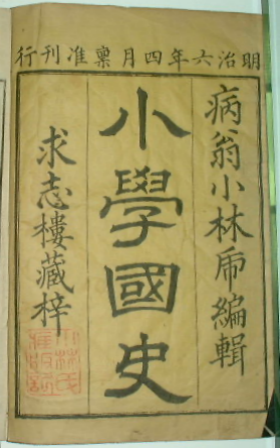
Source: Chinese government opinion/media coverage (general description)
Source: Japanese government opinion/media coverage (general description)
Diff Viewer (Side-by-Side)
● Deletions / Differences|● Additions / Differences
China's Description
Japan's Description
0
Community Notes & Verification
Evidence, source links, and contextual annotations regarding descriptions.
3 notes
Public Voices
General public opinion trends observed on social media regarding this topic.
2 voices
The following summarizes general opinion trends on social media. These are personal views, not verified facts.
Sentiment Overview
Japan1 voice
South Korea1 voice
Nationalist
Critical
Neutral
Academic
Reconciliatory
Notes on this comparison
This comparison is based on general descriptions from official or widely used history textbooks in each country. While minor nuances may change in translation, the goal is to highlight differences in how major events are perceived, the order of description, and what is emphasized. In particular, notable differences in the naming of events and the background of their occurrence can be seen between "China" and "Japan".