Loading...
Neutrality Commitment|
This project does not aim to criticize or defend any specific historical narrative or nation. We objectively present differences in textbook and official descriptions to encourage multi-faceted understanding.
ArchiveLIVE / ONGOINGWar, Conflict & Occupation2021–PresentMyanmar
Myanmar Civil War
Perspectives Summary
Related Photos1
United StatesWar, Conflict & Occupation2021–PresentMyanmar
Myanmar Civil War
Source:U.S. Department of State / U.S. Treasury / U.S. Congress
Source Nature:
Official / Public MaterialOriginal Language
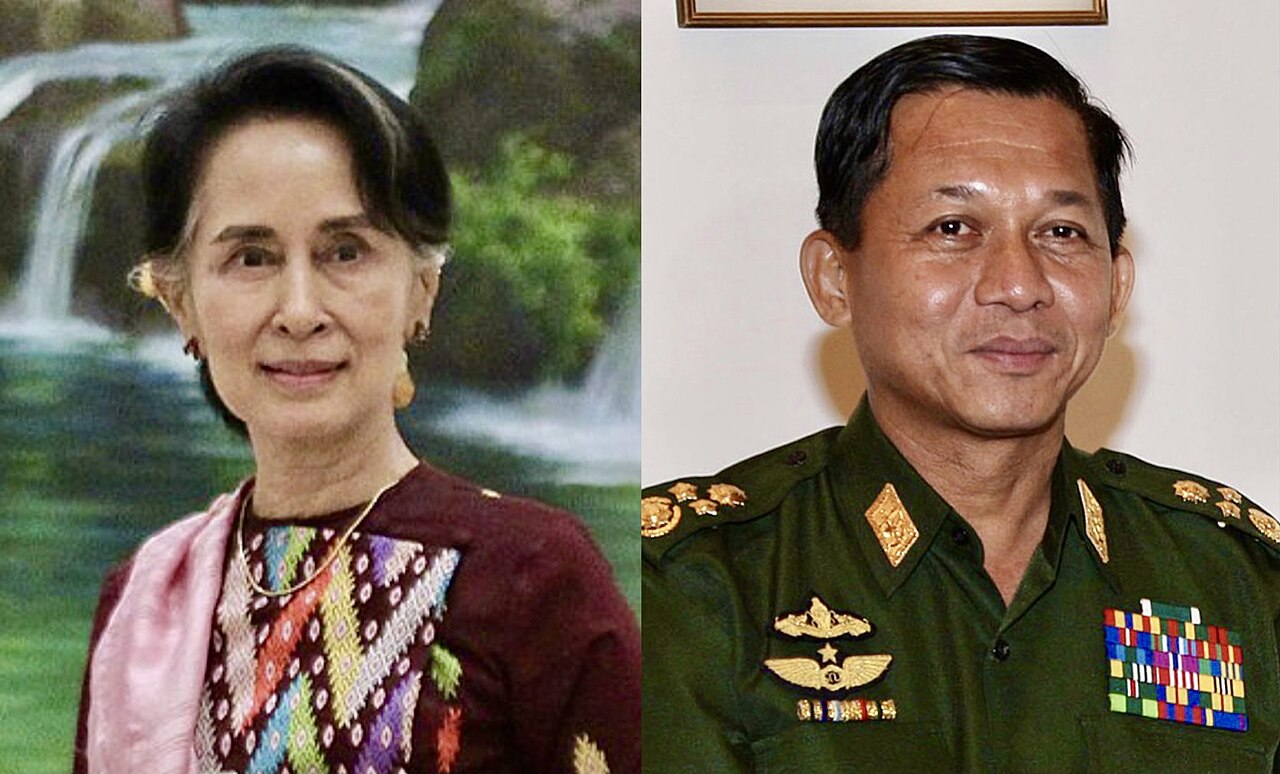
Since the 2021 coup, the United States has progressively expanded targeted sanctions against Myanmar's military junta (State Administration Council), hitting military-affiliated business figures, jet fuel suppliers, state-owned banks, and the Ministry of Defense to choke off funding and arms procurement. The bipartisan BRAVE Burma Act sought to extend the 2022 BURMA Act and tighten financial oversight of the regime.
However, U.S. policy has shown notable inconsistencies since 2025. In July 2025, sanctions on several prominent junta-allied business figures were quietly lifted following correspondence between Min Aung Hlaing and President Trump requesting trade concessions—drawing sharp criticism from human rights advocates. In early 2026, the U.S. notably refrained from condemning the junta's staged elections, diverging from allies such as Australia, the UK, and Canada. The termination of Temporary Protected Status (TPS) for Myanmar nationals, effective January 26, 2026, marked a further policy shift, leaving many Burmese immigrants in an uncertain legal situation.
Interactive Verification & Exploration
Notes on this comparison
This comparison is based on general descriptions from official or widely used history textbooks in each country. While minor nuances may change in translation, the goal is to highlight differences in how major events are perceived, the order of description, and what is emphasized. In particular, notable differences in the naming of events and the background of their occurrence can be seen between "United States" and "China".