Loading...
Neutrality Commitment|
This project does not aim to criticize or defend any specific historical narrative or nation. We objectively present differences in textbook and official descriptions to encourage multi-faceted understanding.
ArchiveLIVE / ONGOINGWar, Conflict & Occupation1947-presentMiddle East, Persian Gulf
Middle East Situation (US–Iran–Israel)
Perspectives Summary
Related Photos2
United StatesWar, Conflict & Occupation1947-presentMiddle East, Persian Gulf
Regional Security Architecture and Alliances in the Middle East
Source:U.S. Department of State, Department of Defense, Presidential Libraries, Council on Foreign Relations (CFR), and other official sources
Source Nature:
Official Government StatementOriginal Language
For the United States, Middle East policy has rested on three pillars: ensuring the security of its democratic ally Israel, securing access to energy resources, and preventing regional hegemony by "rogue states" such as the Soviet Union, Russia, and Iran.
President Truman recognized the newly established State of Israel just eleven minutes after its declaration of independence in 1948, and the United States has remained Israel's "ironclad" partner ever since. The 1953 ousting of Mosaddegh has been contextualized as a Cold War necessity to block Soviet southward expansion and protect oil supplies — though it has drawn persistent criticism on human rights grounds.
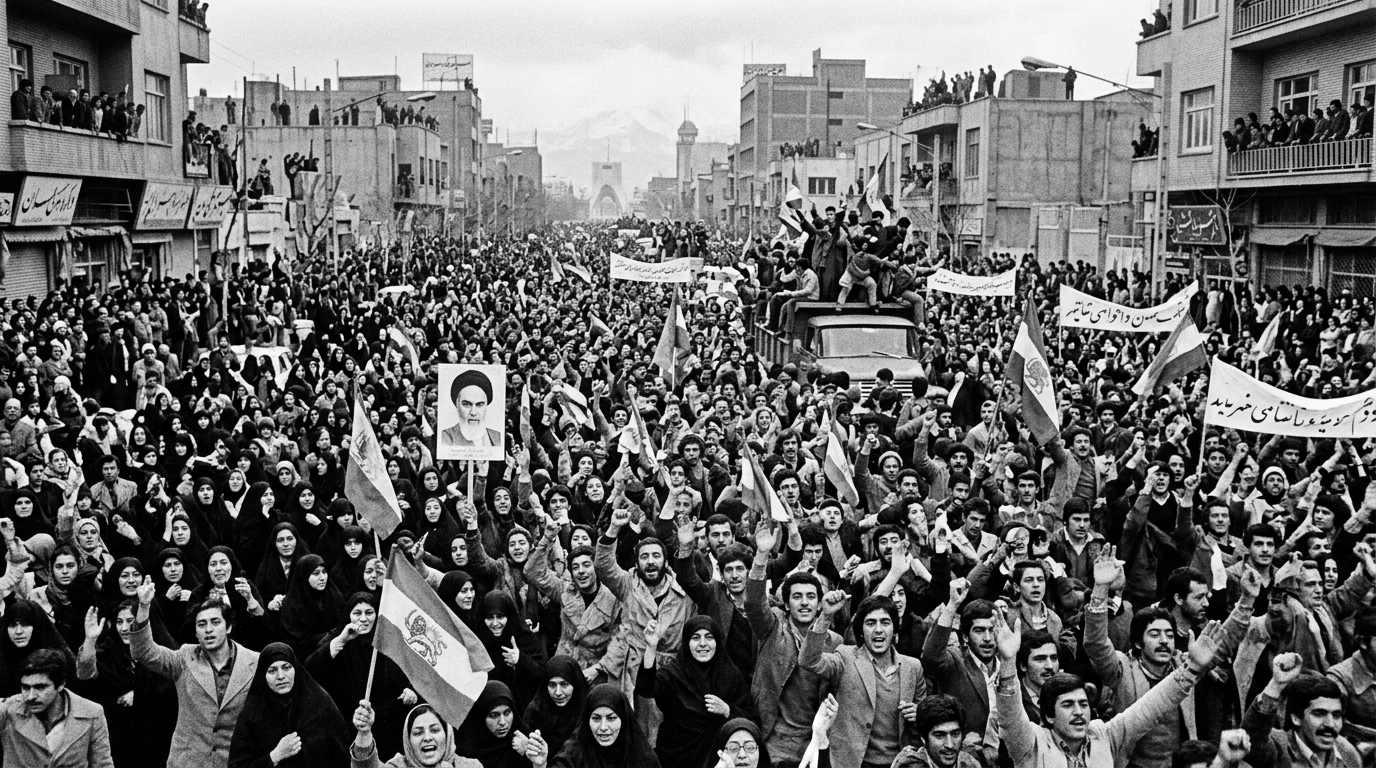
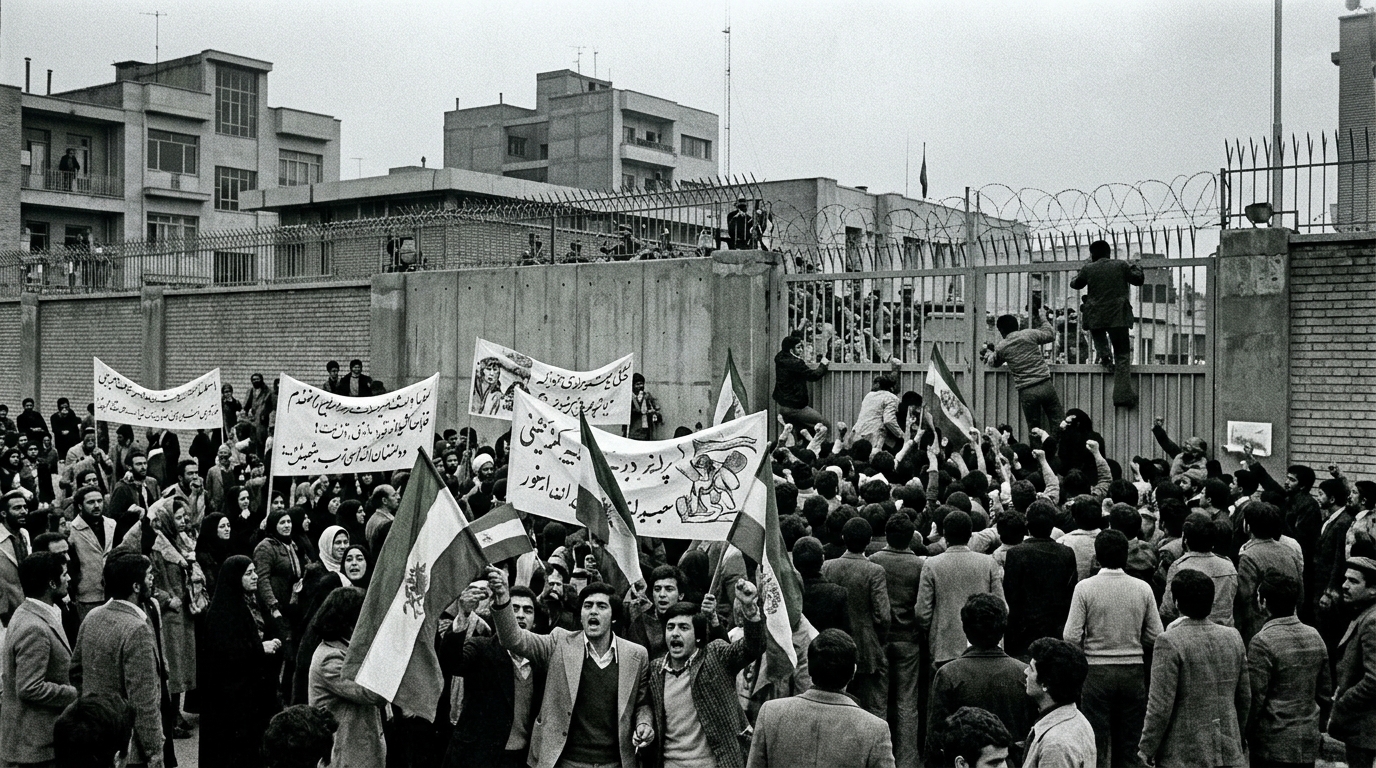
The 1979 hostage crisis (444 days) destabilized the Carter administration and became the immediate cause of the severing of U.S.-Iran relations. The Reagan administration simultaneously supported Iraq during the Iran-Iraq War while becoming embroiled in the Iran-Contra affair — covertly selling arms to Iran — a contradictory foreign policy that reflected the complexity of regional dynamics. The 1991 Gulf War and the 2003 Iraq War decisively expanded America's military presence across the Middle East.
The Obama administration's JCPOA (2015) was hailed as the "best available deal" to diplomatically constrain Iran's nuclear program. The Trump administration withdrew in 2018, branding it the "worst deal ever," and adopted a maximum-pressure strategy. The assassination of IRGC Commander Soleimani in 2020 was justified as the elimination of a "terrorist" who directed Iran's regional proxy network. The Biden administration sought to return to diplomacy, but negotiations stalled as Iran advanced its nuclear activities. In June 2025, the decision to conduct precision strikes on Iranian nuclear facilities — in a joint operation with Israel — was driven by the imperative to enforce the "red line" against a nuclear-armed Iran.
Interactive Verification & Exploration
Notes on this comparison
This comparison is based on general descriptions from official or widely used history textbooks in each country. While minor nuances may change in translation, the goal is to highlight differences in how major events are perceived, the order of description, and what is emphasized. In particular, notable differences in the naming of events and the background of their occurrence can be seen between "United States" and "Arab World (Gulf States)".