Loading...
Neutrality Commitment|
This project does not aim to criticize or defend any specific historical narrative or nation. We objectively present differences in textbook and official descriptions to encourage multi-faceted understanding.
ArchiveGenocide Recognition / Historical Memory Dispute1915–presentOttoman Empire (present-day eastern Turkey, Syrian desert, etc.)
The Armenian Genocide Question
Perspectives Summary
Related Photos3
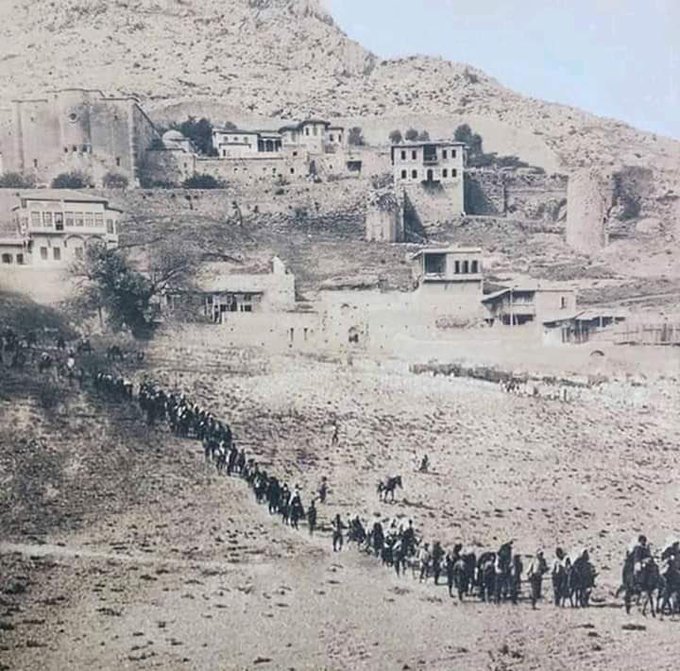
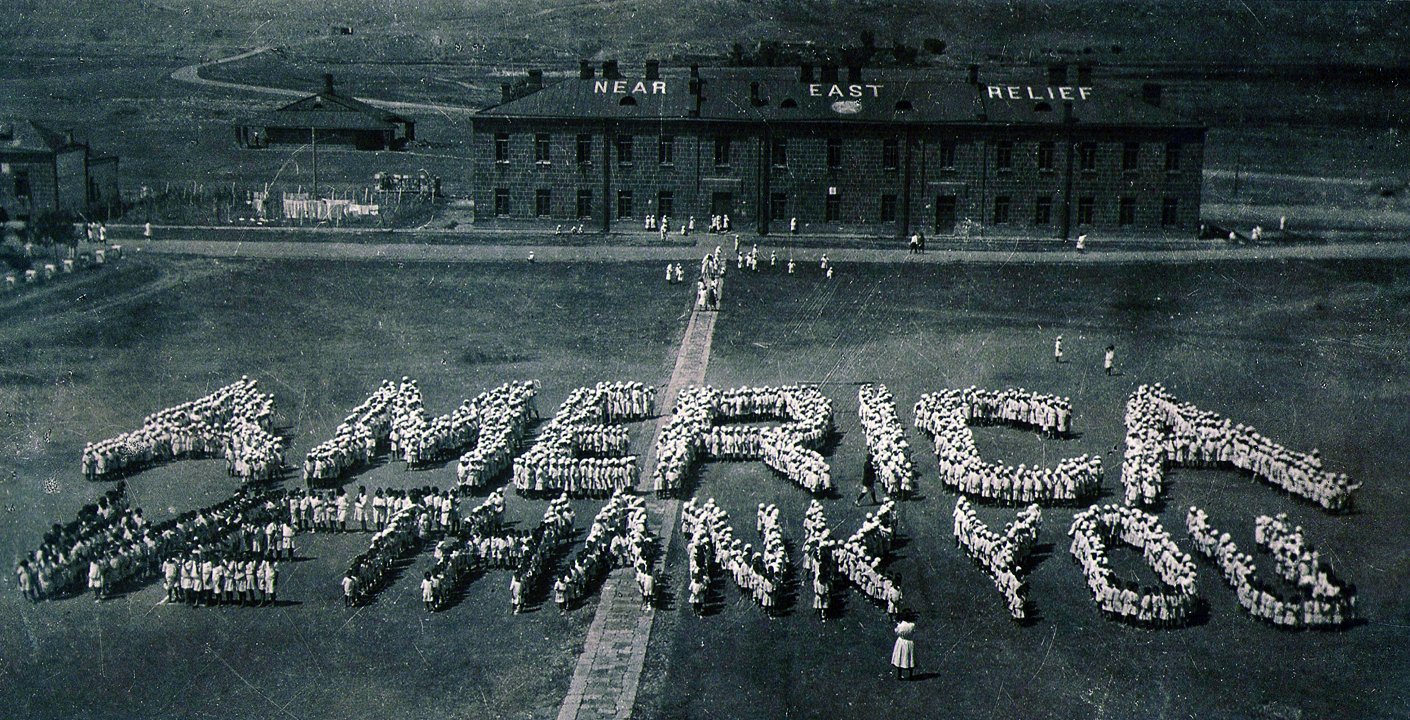
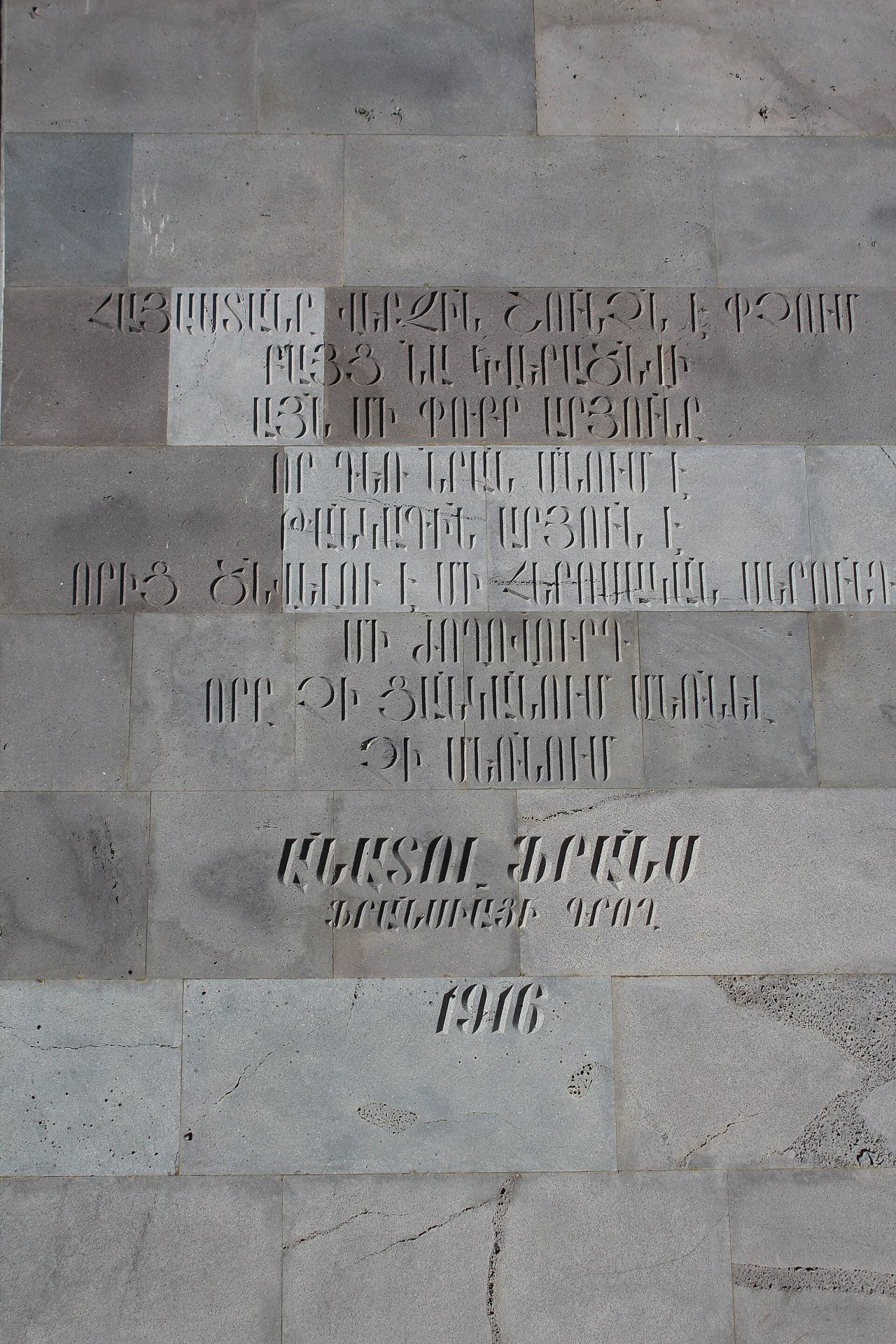
United StatesGenocide Recognition / Historical Memory Dispute1915–presentOttoman Empire (present-day eastern Turkey, Syrian desert, etc.)
The Armenian Genocide Question
Source:US government, Congress and domestic academic positions
Source Nature:
Academic & Scientific ResearchOriginal Language
For decades the US executive branch, wary of straining its NATO alliance with Turkey, avoided the word "genocide." Presidential statements on 24 April typically used terms such as "Meds Yeghern" or mass killing and deportation. The turning point came in 2019, when the House (H.Res.296) and the Senate (S.Res.150) each passed resolutions formally recognizing the Armenian Genocide. On 24 April 2021 President Biden became the first sitting president to use the word explicitly.
The United States has a large Armenian-American community, and many state legislatures had already passed recognition measures. Mainstream US historians and genocide scholars treat the events as a paradigmatic genocide, relying heavily on diplomatic records in the National Archives, including Ambassador Henry Morgenthau's reports from Constantinople. Turkey strongly protested the recognition as interference and the politicization of history, including a summoning of the US ambassador. The White House stressed that the declaration is political and not legally binding.
Interactive Verification & Exploration
Notes on this comparison
This comparison is based on general descriptions from official or widely used history textbooks in each country. While minor nuances may change in translation, the goal is to highlight differences in how major events are perceived, the order of description, and what is emphasized. In particular, notable differences in the naming of events and the background of their occurrence can be seen between "United States" and "Armenia".